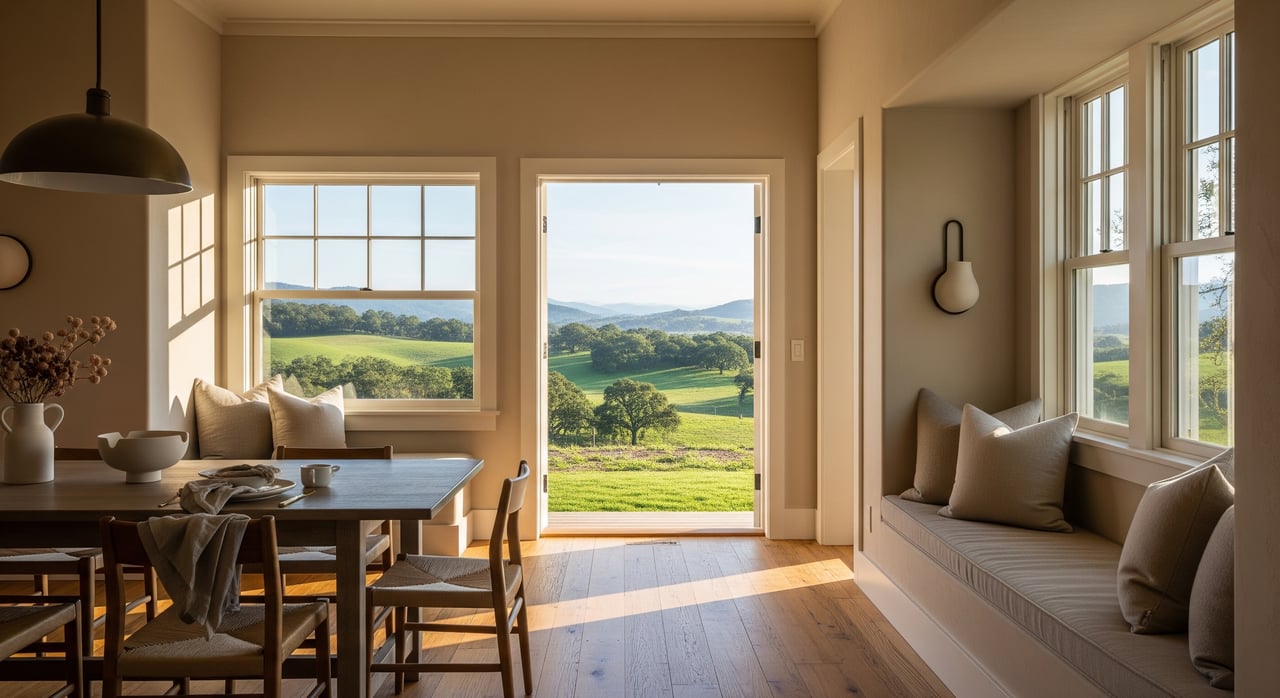
What Living in Petaluma California Feels Like Each Day
February 5, 2026
February 5, 2026
If you are picturing a place with historic charm, easy outdoor access, and a manageable commute to Marin or San Francisco, Petaluma might be the fit you are looking for. You want a calm daily rhythm without giving up good coffee, good food, and options for getting to work. In this guide, you will learn what day-to-day life feels like, how people get around, and what routines locals love. Let’s dive in.
Start your day with coffee downtown. Old Town is the walkable heart of Petaluma, lined with independent cafés, bakeries, and small breakfast spots that draw commuters and parents before school dropoff. The scene is relaxed, local, and easy to make part of your daily routine. You will find the latest events and an overview of downtown life on the community-facing pages at Visit Petaluma.
If you prefer fresh air before your first meeting, head to Shollenberger Park for a flat loop around the wetlands. It is popular for dog walks, stroller-friendly exercise, and birding. Learn about the trails and habitat at the Petaluma Wetlands Alliance. For a short hill workout or weekend hike, the trails and views at Helen Putnam Regional Park give you a quick nature reset close to town.
US 101 is the main route for southbound commutes to Marin County and San Francisco. Drive times depend on the day and the hour, and traffic is heaviest at peak times. Many locals commute to San Rafael, Santa Rosa, or San Francisco, while others split time between the office and home.
You also have rail and ferry options. The Sonoma Marin Area Rail Transit line serves Petaluma and runs south to Larkspur, where you can connect to the Golden Gate Ferry into San Francisco. Check routes and schedules directly with SMART. Some commuters combine train and ferry, while others pair the train with a short drive or carpool.
If you are curious about overall travel patterns, the U.S. Census tracks mean commute times, which are similar to many Bay Area suburban cities. You can explore current figures for the city on the U.S. Census QuickFacts page for Petaluma. Your actual time will depend on where you live, your destination, and your mode.
Weekdays are practical. You can run errands along major corridors with national grocers, specialty markets, and local shops. Downtown also offers quick lunch spots and sit-down choices if you want to take a meeting over a meal.
If you have kids, the day often revolves around school pickup, after-school activities, and youth sports. Petaluma has a mix of public, private, and charter options. Because offerings and availability change, it is best to review current district and program information directly and consider your needs.
Your evening choices center on downtown restaurants, breweries, and a few casual bars. Petaluma is known for its craft beer scene and relaxed dinner spots. Live music pops up on some nights, and seasonal community events bring people downtown.
You will not find a late-night club scene here. Instead, think friendly energy, conversation, and simple plans that fit a busy weekday. If you like knowing what is happening next, community calendars at Visit Petaluma help you plan.
Weekend life leans outdoors. Shollenberger Park and Helen Putnam are easy go-tos for walks, runs, or family hikes. The Petaluma River offers scenic paths and options for paddling when conditions allow.
If you love fresh produce, the Petaluma Farmers’ Market is a local favorite. It is a social stop as much as a shopping trip, with seasonal produce and prepared foods. For a history break, stroll the adobe walls and grounds at Petaluma Adobe State Historic Park. You are also close to Wine Country tasting rooms and the Sonoma coast for quick day trips.
Petaluma gives you a few distinct lifestyles in one city:
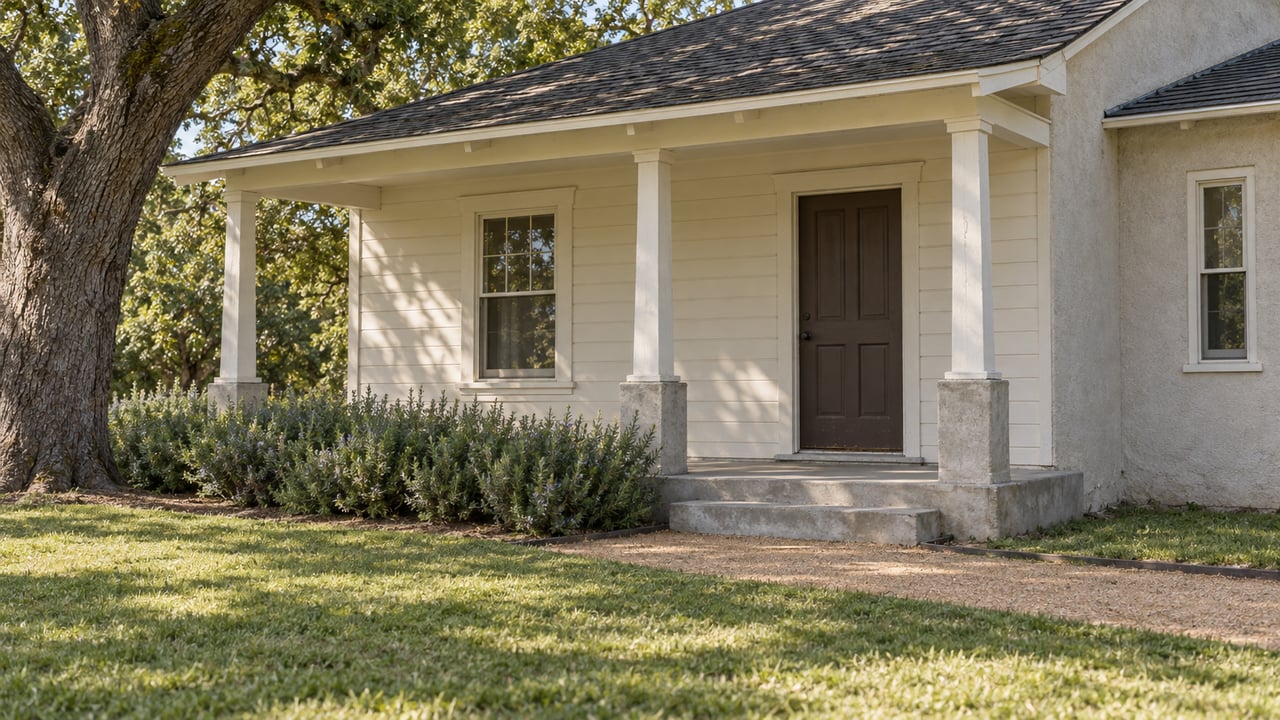
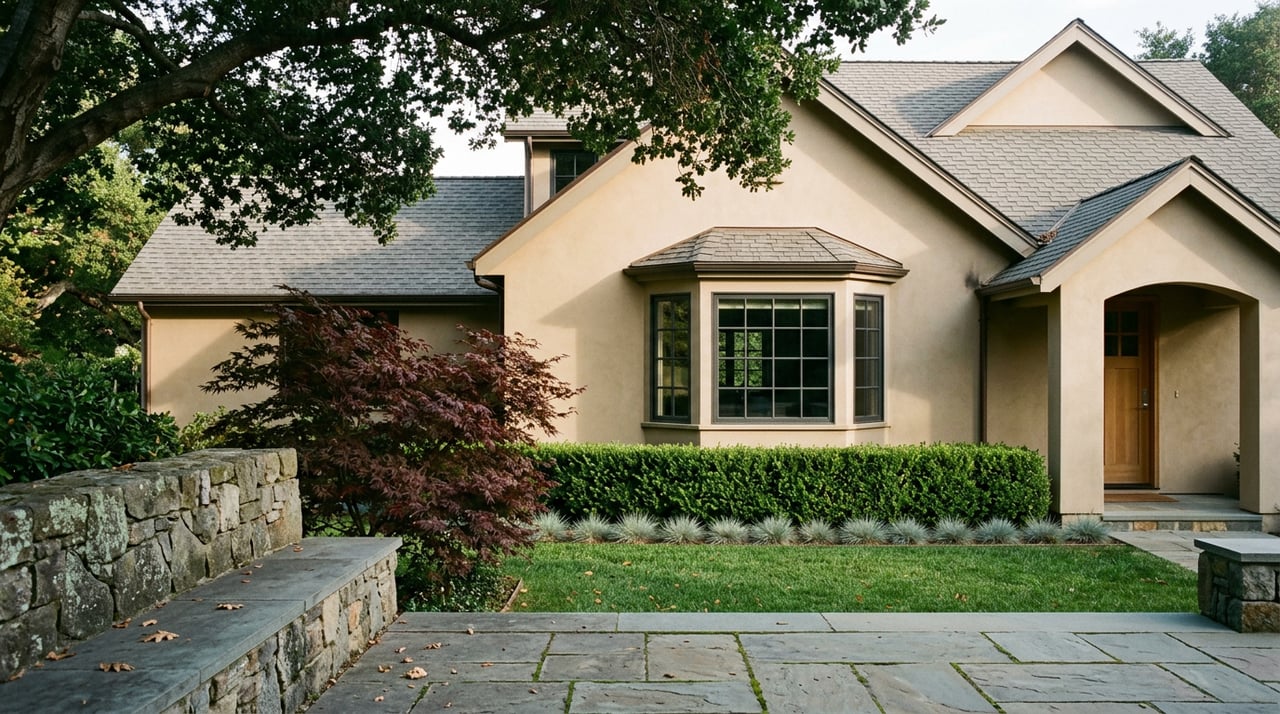
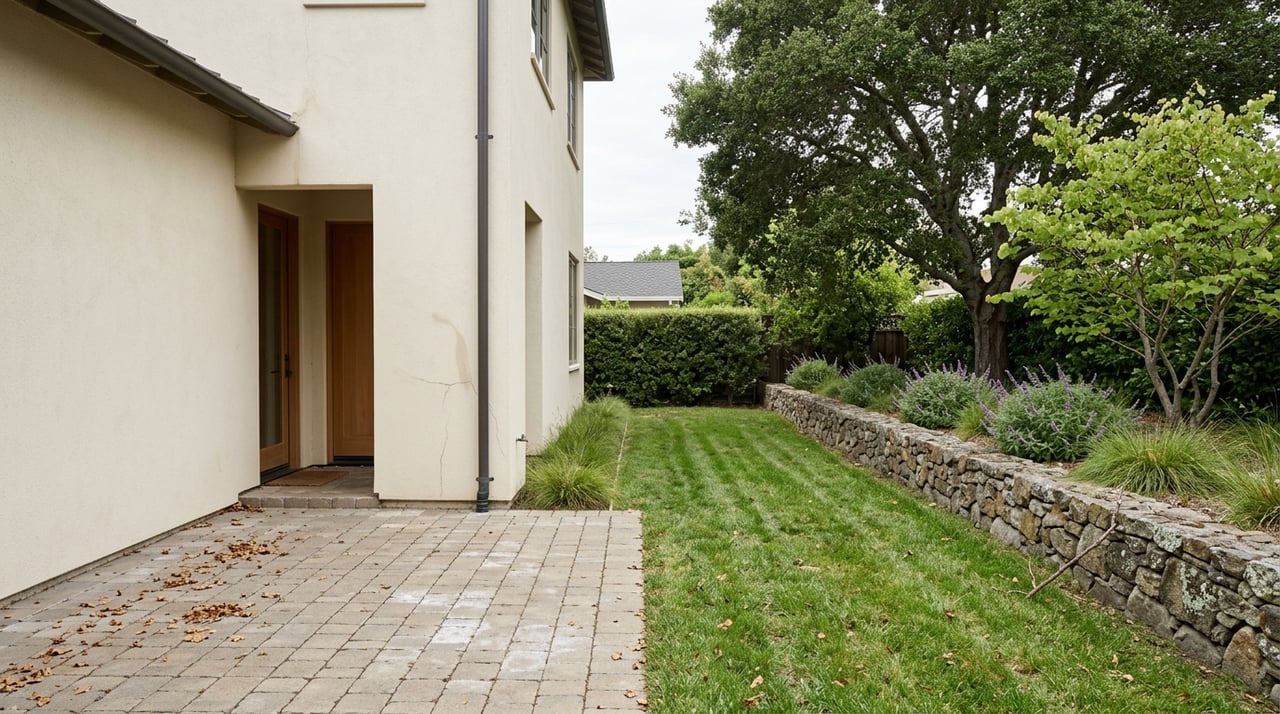
Across the city, you will find a mix of historic homes, suburban ranches, newer construction, and apartments near commercial corridors. Yard sizes tend to be larger outside the downtown core. If walkability is a top priority, review current context on Petaluma’s Walk Score page.
Petaluma’s Mediterranean climate means mild, wet winters and warm, mostly dry summers. Marine influence and seasonal morning fog help moderate summer temperatures, which supports year-round outdoor routines. For a deeper look at regional climate normals, see the National Centers for Environmental Information at NOAA.
Housing and daily costs reflect the broader Bay Area market. Prices are generally lower than San Francisco but higher than many inland areas. If you commute, plan for transportation costs such as gas, tolls, parking, and rail or ferry fares. Many households blend in-office days with remote work to reduce weekly travel.
As you move through the day, you will feel how close everything is, especially if you live near the core. If you are weighing a Marin or San Francisco commute, ride SMART during commute hours to see how it fits your schedule.
Daily life is supported by a wide mix of basics, including banking, postal services, automotive care, pet care, and community programming at libraries and centers. Routine medical clinics are available in town, and larger hospital and specialty services are nearby in Sonoma County. This mix helps many residents keep most errands within a short drive.
Petaluma offers a friendly, small-city rhythm with historic charm, practical commute options, and easy outdoor access. Your day can be simple, social, and close to nature, with the flexibility to reach jobs in Marin or San Francisco when you need to. If that balance fits your lifestyle, Petaluma is worth a closer look.
When you are ready to explore neighborhoods, commute logistics, and a home search tailored to your goals, connect with Tim McKee for local guidance and a concierge experience from first visit to closing.
Stay up to date on the latest real estate trends.
From community events to your closing day, Tim McKee brings unmatched energy, care, and savvy to every interaction. Expect timely communication, strong advocacy, and results that align with your goals.