Buying your first home in Rohnert Park can feel exciting and a little overwhelming. You want a clear picture of prices, timing, and what steps to take so you can make strong decisions. In this guide, you’ll learn what homes typically cost here, how to budget, which programs can help with your down payment, and what to expect from offers, inspections, and closing. Let’s dive in.
Rohnert Park market snapshot
Rohnert Park sits in a mid-range price band for Sonoma County. Recent sources place the city’s median sale price in the mid-$600,000s to low-$700,000s, depending on the month and housing type. The market is moderately competitive. Well-priced homes can draw multiple offers, while many properties sell near list after a few weeks on market.
Rohnert Park has a balanced mix of owners and renters. According to Census QuickFacts, roughly half of occupied homes are renter-occupied, and median gross rent trends in the low $2,200s. That split, along with Sonoma State University nearby, shapes how certain neighborhoods feel and how fast homes move. You can review high-level city stats in the Census QuickFacts for Rohnert Park.
What you can buy
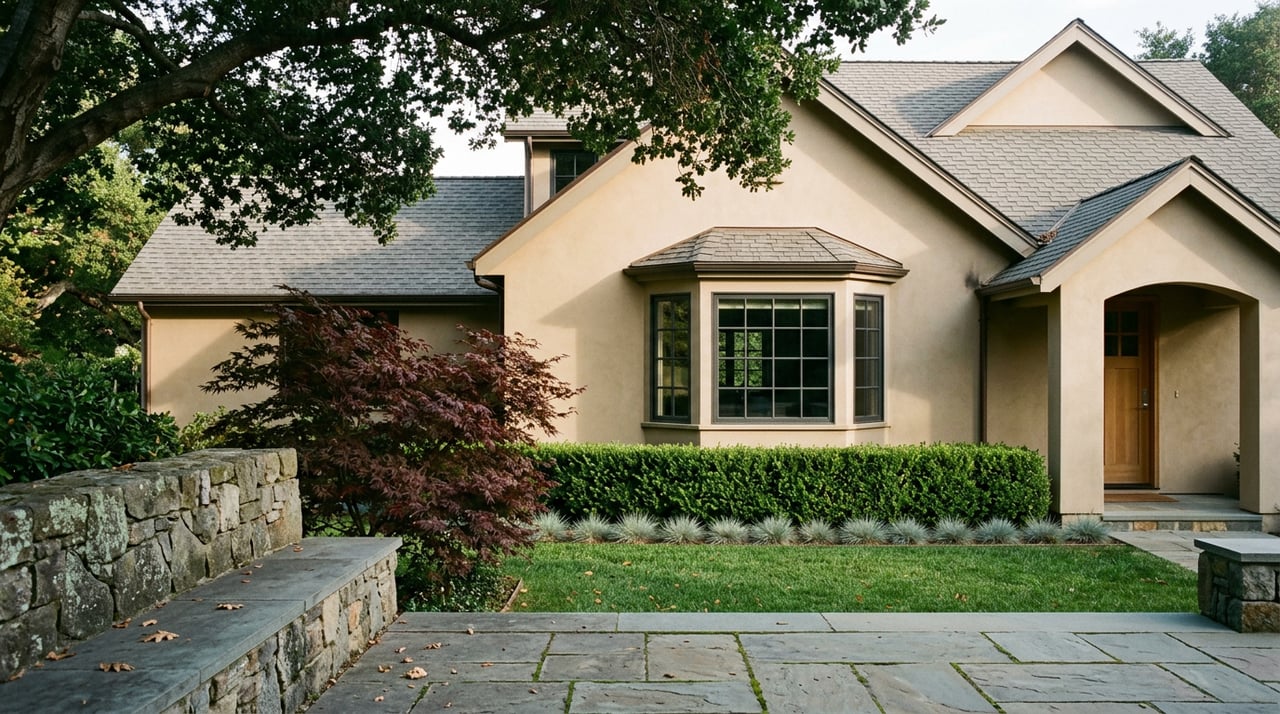
You’ll find a mix of single-family homes, townhomes, and condos across planned neighborhoods. Near Sonoma State University, there is a higher share of smaller homes and condos that attract renters and buyers who plan to rent a room. Along Rohnert Park Expressway and Golf Course Drive, older tract homes sit close to shopping and transit.
The city is also moving toward a more walkable core. Plans for a mixed-use downtown near the SMART station would add homes, retail, and public space over the next few years. If walkability and transit matter to you, this long-term plan is worth watching as you think about resale and lifestyle.
Budget and upfront costs
Before you tour homes, build a simple budget. Use a realistic price band and include the major line items.
- Down payment examples (on a $680,000 purchase):
- FHA 3.5%: about $23,800
- Conventional 5%: about $34,000
- 20%: about $136,000
- Closing costs: plan for 2% to 5% of the purchase price. On a $680,000 home, that is roughly $13,600 to $34,000, separate from your down payment.
- Earnest money deposit (EMD): typically 1% to 3% of the price. On $680,000, that is $6,800 to $20,400, usually due within a few days of offer acceptance.
- Inspections: budget $300 to $600 for a general home inspection. Add specialty inspections if needed.
- Reserves: set aside a buffer for immediate maintenance or small repairs after closing.
Loans and assistance
Loan limits and down payment help can expand what you can afford. Check these options early.
- FHA and conforming loan limits: Many buyers in Sonoma County can use higher county-level limits than the national baseline. For 2026 guidance, county single-family FHA limits are near $897,000, but you should confirm the current figure with your lender. See California FHA limit guidance from LendingTree.
- CalHFA Dream For All: This state program reopened a voucher registration window from Feb 24 to Mar 16, 2026. It can provide up to 20% of the purchase price (capped at $150,000) for eligible first-generation, first-time buyers. You must work with a CalHFA-approved lender and meet income and program rules. Review details in the CalHFA Dream For All update.
- Sonoma County and local help: Burbank Housing runs homebuyer education and down payment assistance opportunities for county buyers. Start by registering for a workshop on the Burbank Housing down payment page. You can also explore the county’s special homeownership programs.
If you are considering income-restricted or deed-restricted options, check the city’s affordable housing page for updates on local programs and properties.
Offers and protections
When you find the right home, your offer includes price, timeline, contingencies, and deposit. Here is what to expect in Sonoma County and the wider Bay Area context.
- Earnest money: 1% to 3% of the purchase price is common for financed offers. Your deposit is protected by your contingencies while they are active.
- Contingencies: The California Residential Purchase Agreement sets a default 17-day window for your investigations unless changed in writing. In more competitive situations, buyers sometimes shorten that window. Read the standard language in the California RPA overview.
- Multiple offers: Well-prepared, move-in ready homes can attract several offers. Many others sell near list after solid marketing and a few weeks on the market. Your agent will help you tailor terms to the property and its activity.
Inspections and reports
A thorough inspection set protects your budget and helps you negotiate repairs or credits.
- General home inspection: Typically $300 to $600 in California for single-family homes, depending on size and age. See typical ranges in this inspection cost overview.
- Termite/WDO inspection: Common in California and often required by lenders. Expect roughly $100 to $250 for the report, with treatment costs varying if issues are found.
- Appraisal: Ordered by your lender to confirm value for the loan. You pay this fee directly to the lender or appraiser.
- Natural Hazard Disclosure: Sellers in California must provide an NHD that summarizes key hazard zones. Learn what is included in an NHD report overview.
Plan to order your buyer-paid inspections early in your contingency period so you have time to review results and negotiate.
Closing timeline
Most financed purchases in California close in 30 to 45 days. That window allows time for loan underwriting, appraisal, inspections, HOA document review (if applicable), and any repair negotiations. Cash purchases can close faster. If your loan type is FHA or VA, or if the property has complex title or HOA issues, be prepared for a longer escrow.
Local tips that matter
- Transit and commuting: The SMART commuter rail serves Rohnert Park and connects to Santa Rosa and Marin County. If you work south of Sonoma County, the Rohnert Park station may be an asset. Check routes and stations on the SMART system page.
- Sonoma State influence: Homes near the university may see stronger rental demand and more seasonal activity around the academic calendar. If you plan to rent a room, discuss local rules and lender requirements with your agent and lender.
- Wildfire and insurance: Parts of Sonoma County carry higher fire hazard designations. Review local fire maps and budget for insurance at your target address. The county’s resource page explains designations and where to check maps: Permits Sonoma fire hazard zones.
- Future downtown: The city’s long-term plan for a mixed-use downtown near the SMART station could improve walkability and add housing over time. Keep this in mind when weighing neighborhood choices and potential appreciation.
Your 8-step plan
- Get pre-approved. Confirm Sonoma County loan limits and your payment comfort with a local or CalHFA-approved lender. Start with guidance on California FHA loan limits.
- Register for homebuyer education. Burbank Housing is a gateway to local down payment assistance. Sign up for a workshop on the Burbank Housing DPA page.
- Build your budget. Set a price band and include down payment, 2% to 5% for closing costs, inspection funds, and a small reserve.
- Align with a local buyer’s agent. Share your pre-approval and must-haves. Ask about micro-neighborhoods near SSU versus other areas and current offer norms.
- Prepare funds and schedule. Keep earnest money liquid and be ready to book inspections quickly. Know your contingency deadlines.
- Order inspections early. Budget $300 to $600 for a general inspection and add termite, roof, sewer, or foundation specialists as needed.
- Use assistance if eligible. If you plan to apply for CalHFA Dream For All, review the 2026 CalHFA window and coordinate with your lender. Also check the county’s special programs list.
- Review all disclosures. Read HOA docs, property tax estimates, and the Natural Hazard Disclosure carefully. See what an NHD covers in this state disclosure overview.
Ready to start?
When you are buying your first home, clarity and timing make all the difference. You deserve a local advocate who will help you focus your search, compare neighborhoods, line up inspections, and negotiate with confidence. If you are weighing options in Rohnert Park or nearby Sonoma County towns, let’s talk about a plan that fits your budget and timeline. Connect with Tim McKee to get started.
FAQs
What is the typical first-time buyer price in Rohnert Park?
- Expect a median in the mid-$600,000s to low-$700,000s, with month-to-month shifts by home type and condition.
How much cash do I need up front to buy?
- Plan for a 3% to 5% down payment at minimum (or 3.5% for FHA), plus 2% to 5% for closing costs and a 1% to 3% earnest money deposit.
How long does closing take in Sonoma County?
- Most financed purchases close in 30 to 45 days; cash can close faster, while FHA/VA or complex properties may need more time.
Which inspections should I budget for in Rohnert Park?
- Start with a general home inspection ($300 to $600), add a termite/WDO report (often $100 to $250), and consider roof, sewer, or foundation specialists as needed.
What down payment help is available for first-time buyers?
How does the SMART train impact my home search?
- If you commute, proximity to the Rohnert Park SMART station can add value and convenience; review the SMART stations map when comparing areas.