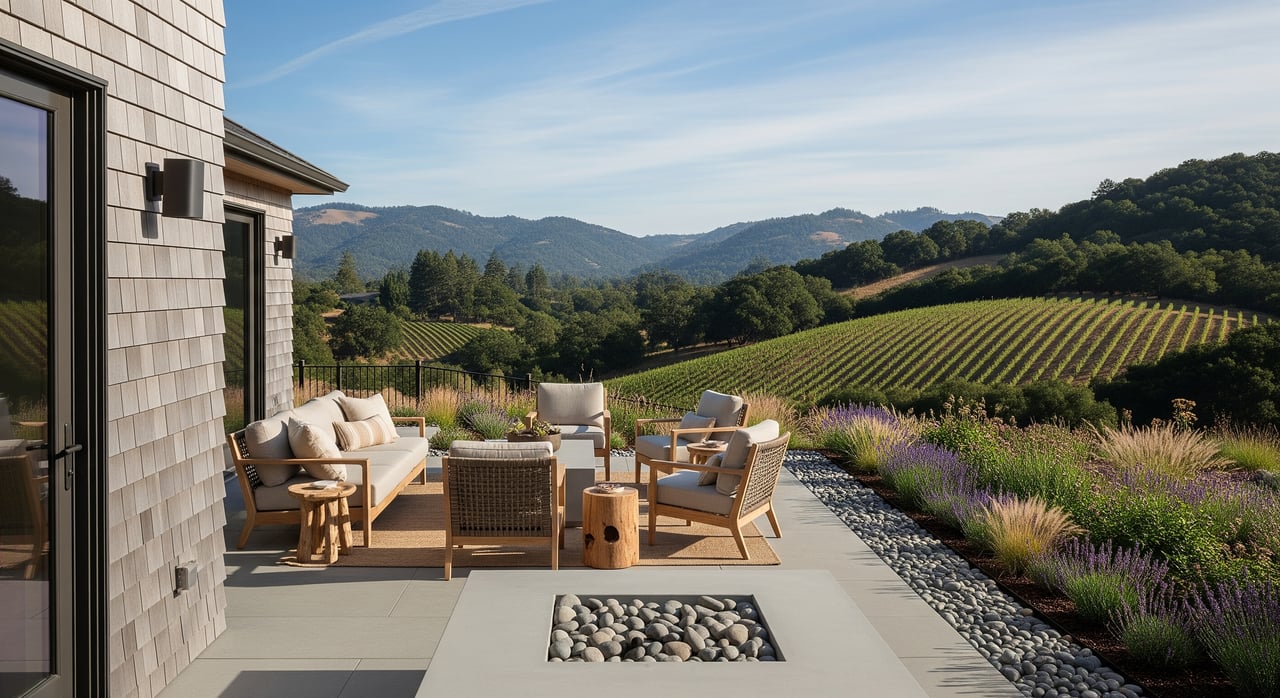
East vs West Petaluma: Which Lifestyle Suits You Best?
January 1, 2026
January 1, 2026
Trying to choose between East and West Petaluma? You are not alone. If you are weighing lifestyle, commute, schools, and the feel of each neighborhood, it can be tough to know where to start. This guide compares both sides so you can match your daily life with the right home and location. Let’s dive in.
Locals often use US‑101 and the Petaluma River corridor as an informal dividing line. In this guide:
Knowing this helps you compare walkability, commute access, school assignments, and neighborhood character with clarity.
| Factor | West Petaluma | East Petaluma |
|---|---|---|
| Housing styles | Historic Victorians, Edwardians, Craftsman bungalows, some riverfront lofts/condos | Mid‑century ranch, larger tract homes from 1970s–2000s, newer infill and neotraditional |
| Typical lot/home | Smaller lots, character homes, often closer to downtown | Larger lots and family‑friendly floor plans, attached garages |
| Walkability | High walkability to downtown dining, shops, and events | Suburban feel with quieter evenings; drive or bike to errands |
| Transit access | Direct access to downtown and SMART rail station | Quicker access to US‑101 on‑ramps and park‑and‑ride options |
| Commute to 101 | A few local streets before the freeway | Very fast freeway access for drivers |
| Parks & trails | Riverfront paths and wetlands near downtown | Larger neighborhood parks, fields, and southern/eastern wetlands |
| Shopping & dining | Independent restaurants, cafes, boutiques, farmers’ markets | Grocery‑anchored centers, big‑box retail near freeway interchanges |
| Renovation rules | Possible historic district design review for exteriors | Fewer historic constraints in most tracts |
| Environmental notes | Some lowlands near river can face flood considerations | Some eastern and hill‑edge areas may face wildfire vegetation risk |
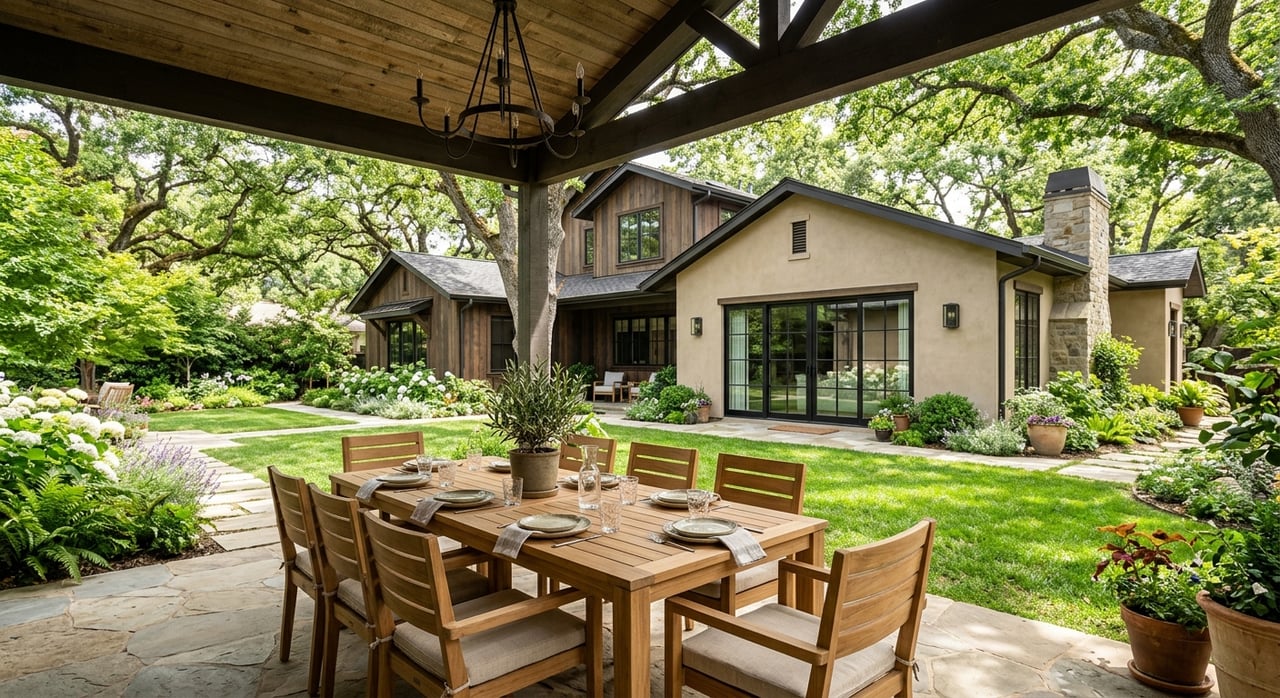
If you love historic charm and being close to activity, West Petaluma delivers. You will find late‑19th and early‑20th‑century architecture, blocks with mature trees, and a lively downtown scene. Many homes sit on smaller lots, which keeps you close to cafes, breweries, and community events.
Families appreciate access to riverfront paths and wetlands near downtown, including well‑known birding and trail areas. Westside neighborhoods also put you close to arts, local festivals, and boutique shopping. If you plan to use rail, the downtown SMART station is especially convenient for predictable commute times.
Before renovating, check whether a property falls within a historic overlay or design review area. Exterior changes may require approvals, which can affect timelines and materials. If a home is near the river or lowland areas, review parcel‑level flood maps and insurance needs.
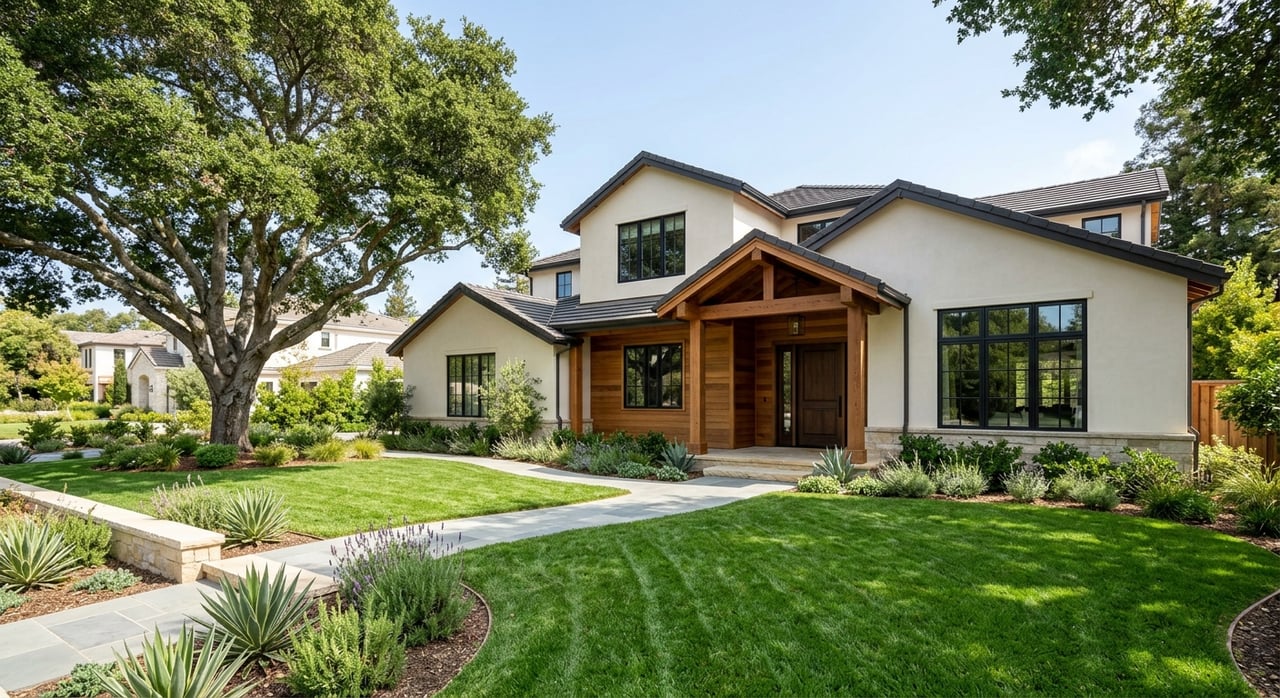
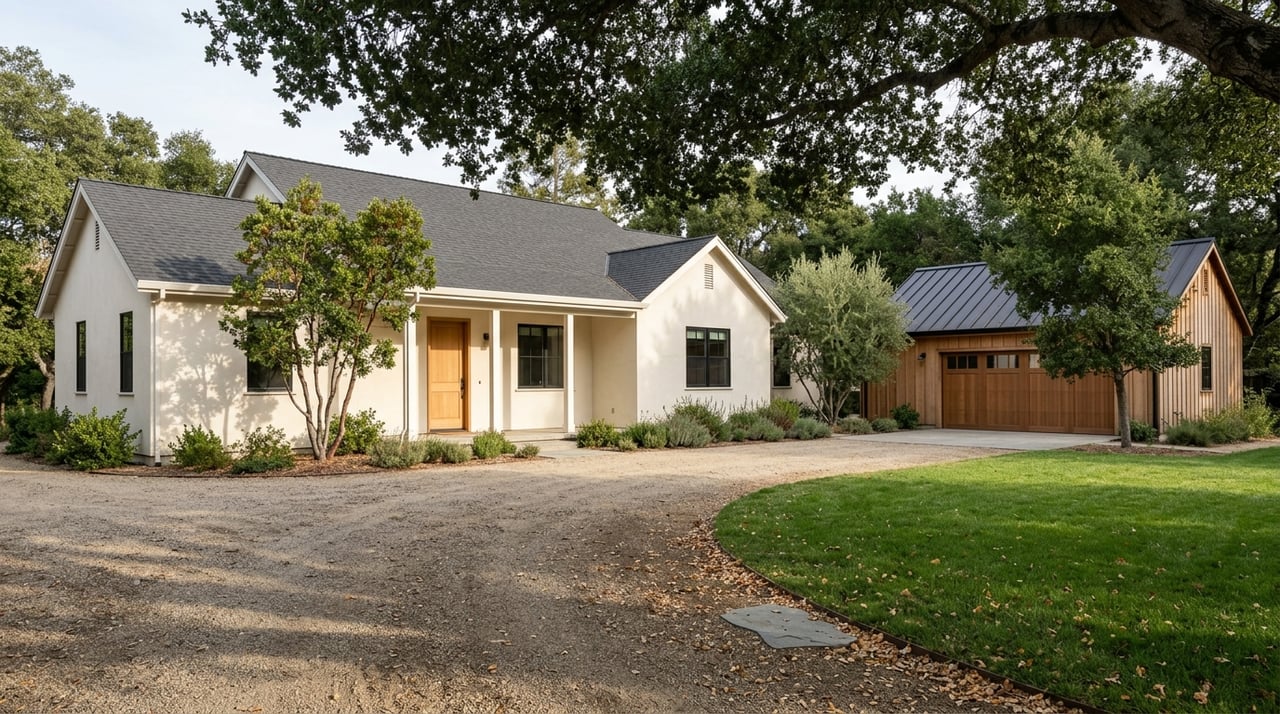
If you prefer more square footage, newer construction, and larger yards, East Petaluma is a strong fit. Many subdivisions offer family‑friendly layouts with multiple bedrooms, open kitchens, and attached garages. Streets tend to be quieter in the evenings, and you will find parks, fields, and pocket green spaces inside many neighborhoods.
Errands are efficient with grocery‑anchored centers and larger retail near freeway interchanges. Proximity to US‑101 usually means faster on‑ramp access for drivers. In the southern and eastern parts of town, you will also find restored wetlands and trail areas that add nature time to your weekly routine.
Some properties near open space or in the hills may be in higher wildfire hazard zones. Review CalFire designations and plan for defensible space, vegetation management, and evacuation preparedness as part of your decision.
Instead of chasing citywide averages, compare recent sales for 3 to 4 bedroom homes on each side. Look closely at price per square foot, lot size, days on market, and update level to understand the true tradeoffs for your budget.
US‑101 is the main route connecting Petaluma to Marin and Sonoma. For drivers headed to San Rafael, non‑peak trips often take about 20 to 30 minutes. Peak periods can be longer, so timing matters. Trips to San Francisco typically take more time, especially with bridge traffic.
Regional buses link Petaluma to San Rafael, Santa Rosa, and other hubs. Route details and stops vary by service provider. If your week mixes driving with transit, note where you will park, how you will drop kids, and whether your daily pattern favors downtown or freeway‑adjacent access.
Petaluma is served by multiple elementary and secondary districts. School assignments are neighborhood‑specific and can affect daily routines. Both East and West have local elementary options, and after‑school activities are spread across the city’s parks, fields, and community facilities.
To align a home search with your plan, confirm which schools serve a given address, review publicly available performance metrics, and map out pickup routes along with sports or arts commitments. Keep focus on your family’s needs, commute, and schedule rather than generalized rankings.
Every property has unique characteristics. Before you write an offer, consider:
Use this list to compare two or three favorites across both sides:
Both East and West Petaluma can work beautifully for a move‑up lifestyle. If you want historic charm and walkability, the Westside shines. If you want more space, a newer floor plan, and quick freeway access, the Eastside is compelling. The best choice is the one that fits how you live day to day.
Ready to explore homes and compare recent sales by neighborhood? Reach out to Tim McKee for a local game plan tailored to your commute, schools, and lifestyle.
Stay up to date on the latest real estate trends.
From community events to your closing day, Tim McKee brings unmatched energy, care, and savvy to every interaction. Expect timely communication, strong advocacy, and results that align with your goals.