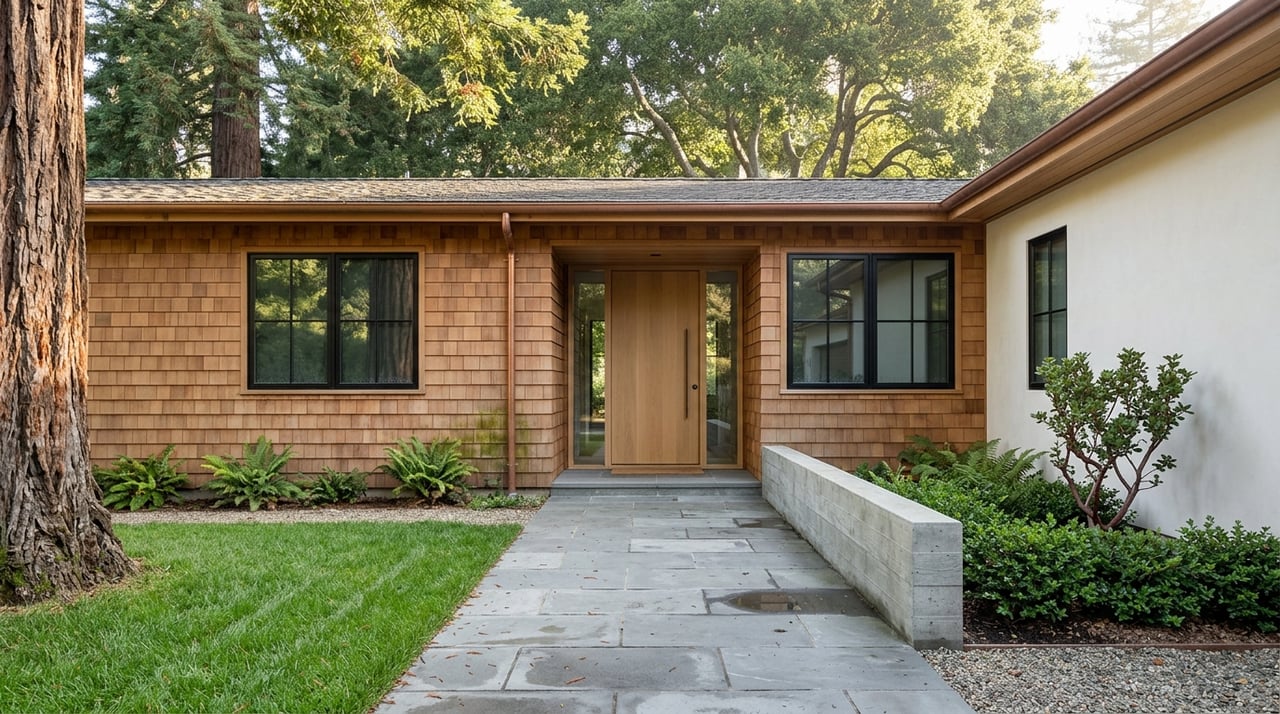
Mill Valley Home Styles and Microclimates for Buyers
June 4, 2026
June 4, 2026
If you have ever toured two Mill Valley homes on the same afternoon and wondered why one felt cool and damp while the other felt bright and warm, you are not imagining it. Mill Valley’s mix of wooded canyons, sunny hillsides, and historic streets means the house itself is only part of the story. When you understand how local home styles and microclimates work together, you can make a smarter decision about comfort, upkeep, and long-term fit. Let’s dive in.
Mill Valley sits at the base of Mt. Tamalpais on the Marin Peninsula, with open space and creek corridors shaping daily life. The city describes the local weather as Mediterranean, with long, comfortable, arid summers and short, cold, wet winters. Typical temperatures range from 43°F to 73°F, with about 45 inches of annual rainfall.
That broad climate picture is helpful, but it does not tell you what a specific block or hillside will feel like. NOAA defines a microclimate as the climate of a small area that differs from the surrounding region. In Mill Valley, that can mean one home gets more fog, another gets more sun, and a third stays damp longer after rain.
Mt. Tam is a major reason why. Marin Water explains that the mountain forces warm air upward, where it cools and produces precipitation on the mountain and in its shadow. That topography helps explain why short distances can create real differences in light, wind, moisture, and temperature.
When you buy in Mill Valley, you are not just choosing square footage or finishes. You are also choosing sun exposure, airflow, moisture patterns, and the way the lot interacts with the landscape. Those factors can shape your day-to-day comfort and your maintenance list.
In foggier or more shaded pockets, homes may dry more slowly after rain. That often means buyers should pay close attention to moisture management, along with the condition of paint, trim, roofs, and landscaping. These are practical considerations based on local differences in air circulation, light exposure, and moisture.
In sunnier or more exposed hilltop settings, you may notice stronger winds, more solar gain, and bigger swings between daytime and evening temperatures. UC Marin Master Gardeners notes warmer summers with afternoon winds in some areas, along with hotter summers on southwest-facing hilltops in marine-effect zones. That makes orientation, tree cover, and window placement especially important.
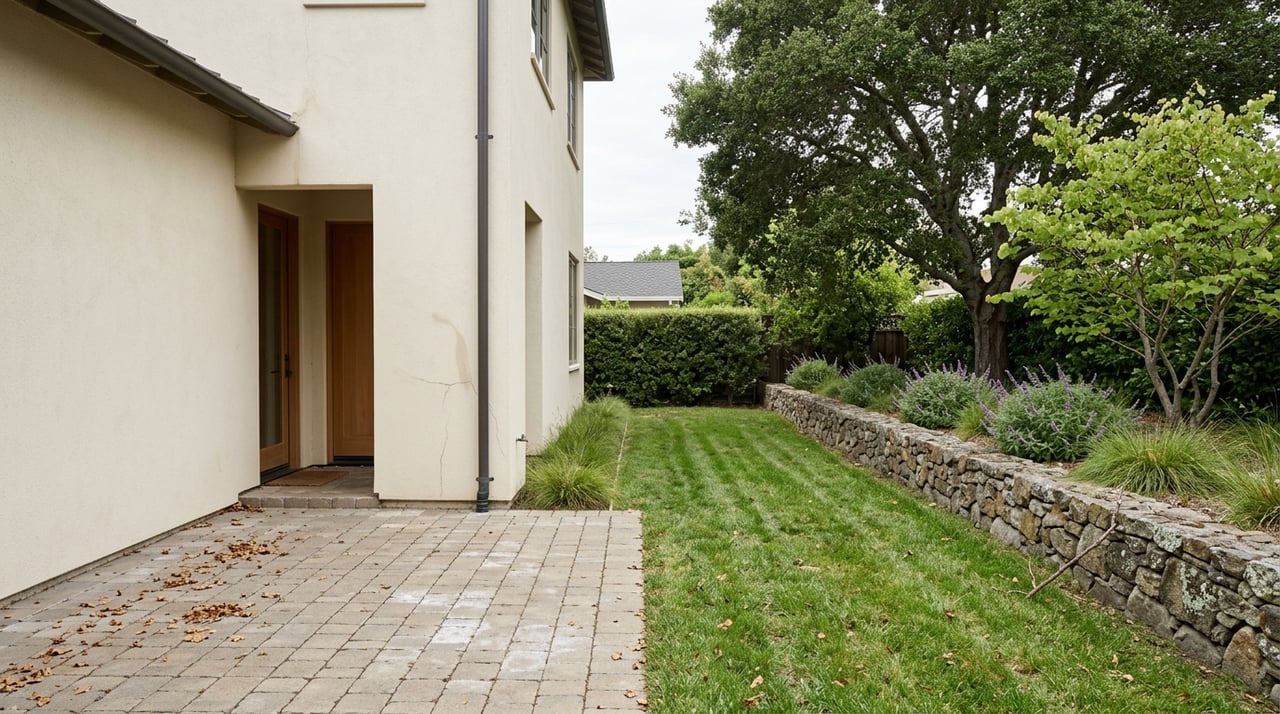
Topography also matters during winter weather. Mill Valley’s setting includes streams flowing from Mt. Tam through town to the bay, along with rolling hills and rugged canyons in the surrounding watershed. When you tour homes, it is smart to look closely at drainage, gutters, retaining walls, and how runoff may move across the lot.
Mill Valley has a wide architectural mix, and the city’s historic records help explain why. The local historic inventory identifies styles such as Vernacular, First Bay Tradition, Queen Anne, Italianate, Tudor, Craftsman, Colonial Revival, Spanish Colonial Revival, Classical Revival, and Art Deco. The city also notes that postwar development added Minimal Traditional and California Ranch homes, along with notable Midcentury Modern and Bay Area modernist designs.
The older housing stock is a big part of Mill Valley’s character. The city’s historic survey covered 176 properties and found that about 160 were built before 1930. That helps explain why you often see early-20th-century homes alongside later hillside construction and postwar infill.
Queen Anne homes in Mill Valley often stand out with asymmetrical facades, rounded towers or bay windows, decorative details, and patterned wood shingles. These homes can offer rich architectural texture and strong visual character. In a town with changing weather by block, their exterior materials and detailing can also mean upkeep deserves careful attention.
Other early homes reflect the area’s long connection to woodsy, coastal design. Vernacular and early shingled houses often feel rooted in the landscape rather than set apart from it. For buyers, that blend of charm and setting is often part of the appeal.
First Bay Tradition homes, often called Shingle Style, are especially suited to Mill Valley’s wooded identity. They commonly feature wood shingle cladding, steep gable or gambrel roofs, large porches, and a rustic coastal look. In the right setting, they can feel deeply connected to the trees, slope, and natural light around them.
Because these homes often use natural materials, microclimate can matter quite a bit. In a foggier canyon or more shaded lot, exterior wear may look different than it would on a sunnier site. That does not make one location better than another, but it does mean the setting should be part of your evaluation.
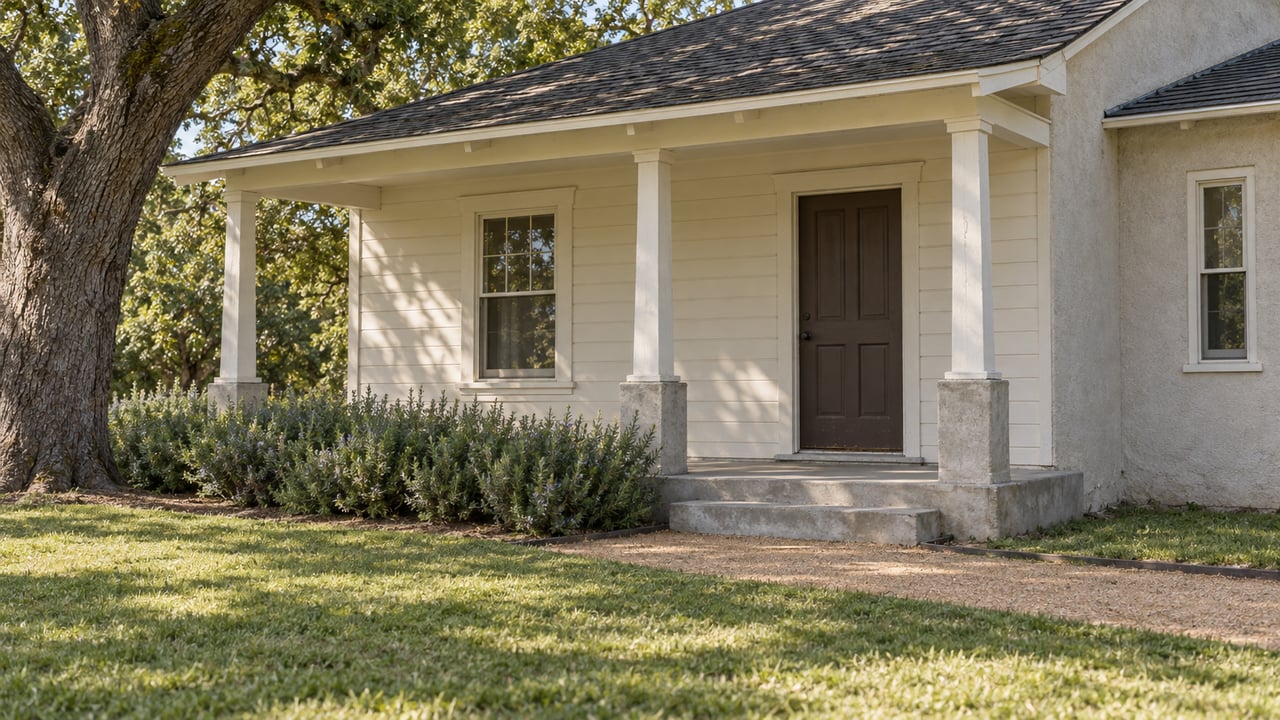
Craftsman homes are another common Mill Valley style. They typically feature simple rectangular massing, front or side gables, exposed rafter tails, battered porch columns, and geometric window divisions. Many buyers love them for their warmth, practical layouts, and connection to early California design.
In Mill Valley, Craftsman homes often fit naturally into leafy streets and established areas. As with other older homes, it helps to look at how the structure has handled moisture, shade, and changing seasons over time. The style may be timeless, but the lot conditions still matter.
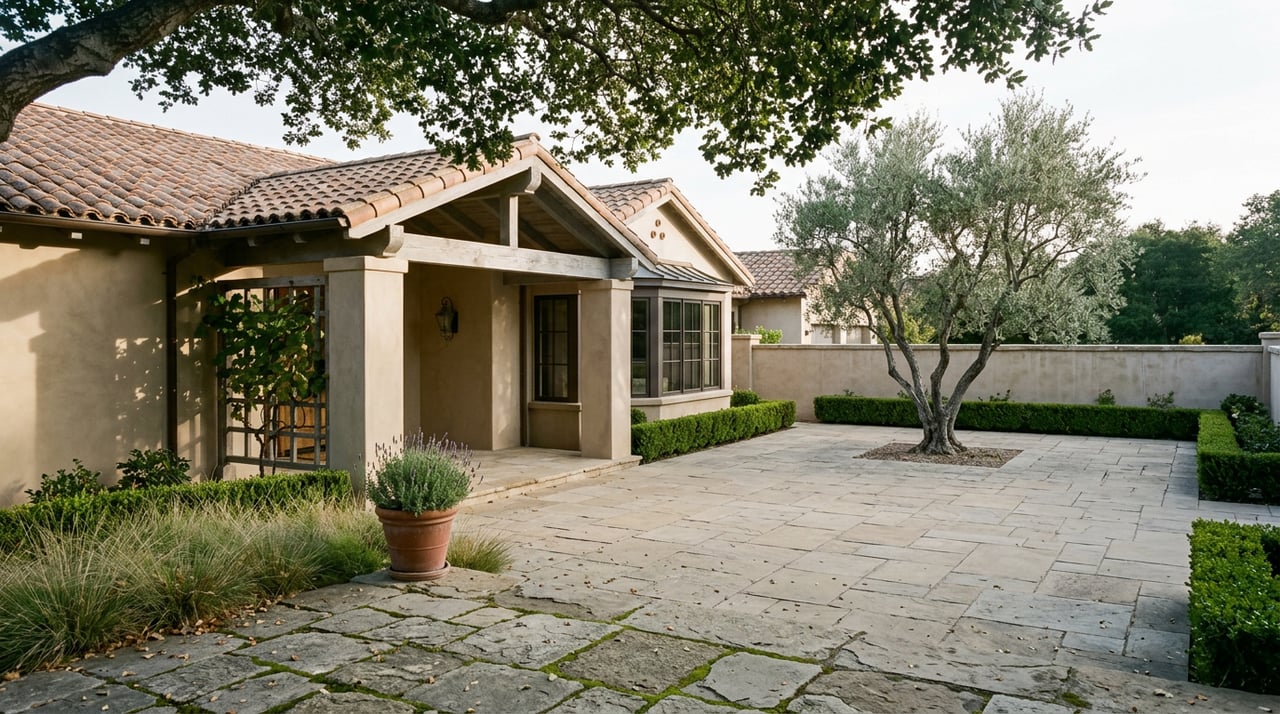
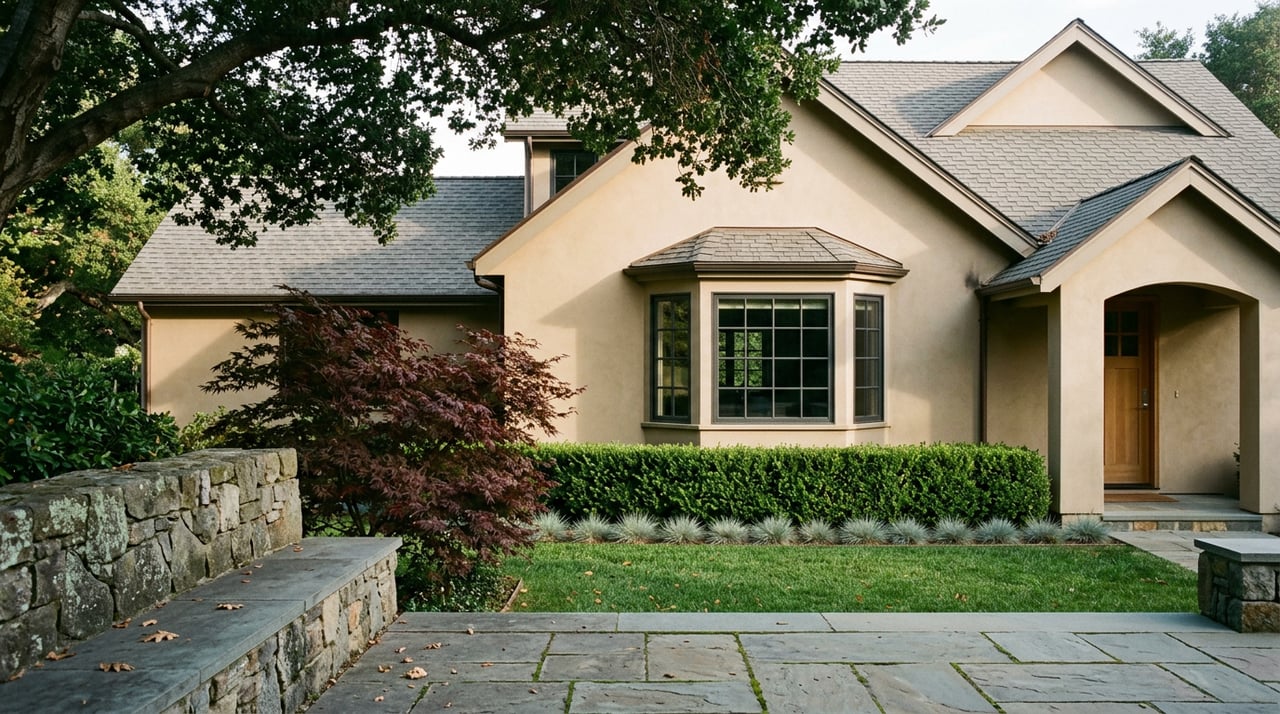
Homes from the 1930s and 1940s add another layer to the local housing mix. Spanish Colonial Revival homes usually include stucco walls, clay tile roofs, arches, and courtyard-like forms. Tudor Revival homes commonly feature steep gables, stucco or faux half-timber treatment, and arched entries.
These styles bring very different materials and rooflines to the conversation. Stucco, tile, and steeper gables may respond differently to moisture, sun, and wind than wood shingles or low-slope roof forms. When you compare homes, it helps to think about both architectural style and weather exposure together.
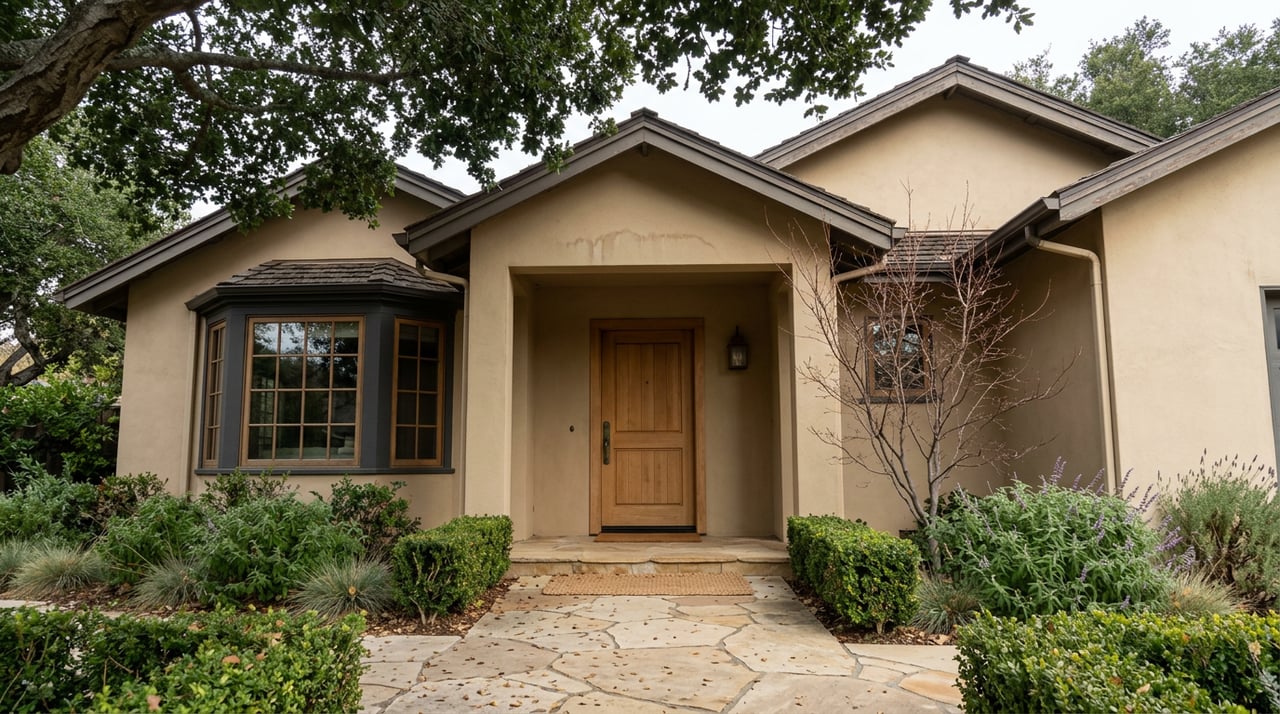
Postwar Mill Valley includes many Minimal Traditional and California Ranch homes. Minimal Traditional homes are generally simple one-story houses with modest roof forms and shiplap, shingle, or stucco siding. Ranch homes usually read as low, horizontal, and relaxed, often with shallow eaves and integral or detached garages.
These homes can feel more straightforward in layout and presentation, but site conditions still shape how they live. A Ranch on a sunnier terrace may have a different comfort pattern than a similar home in a cooler, more shaded pocket. This is where the lot can matter as much as the floor plan.
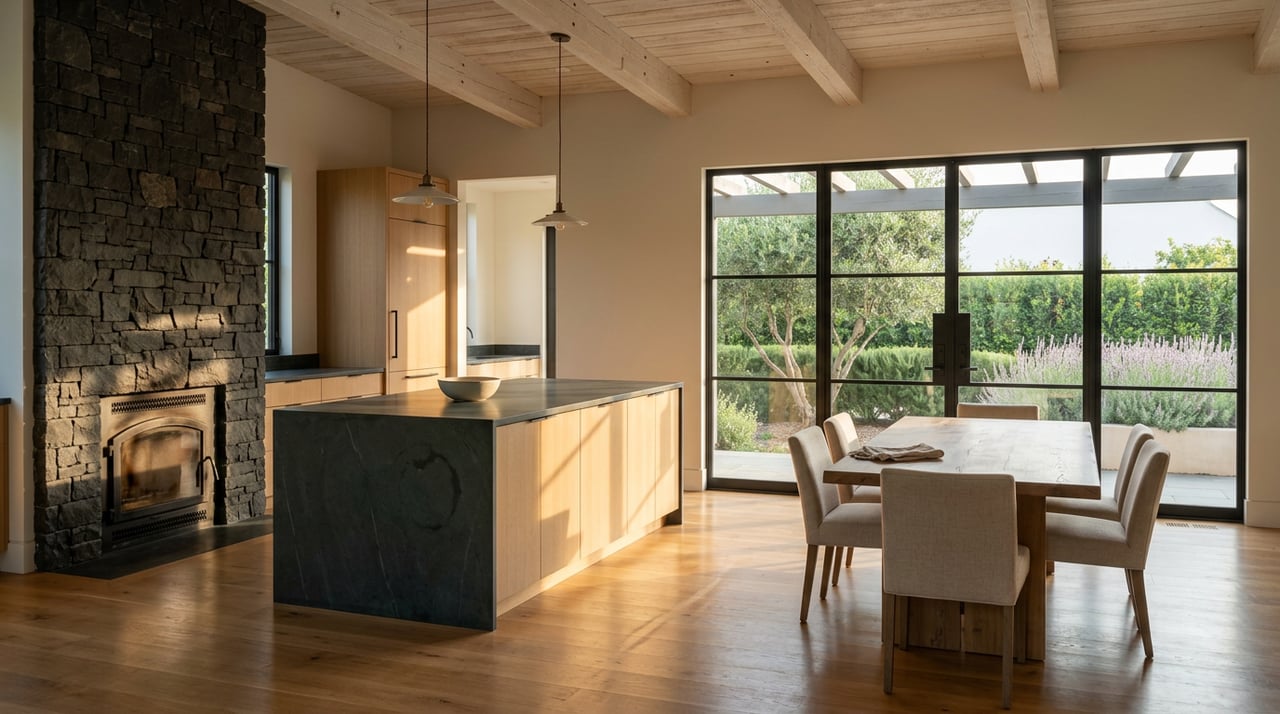
Mill Valley also includes notable Midcentury Modern, Second Bay Tradition, and Third Bay Tradition homes. Second Bay Tradition designs often emphasize simple silhouettes, large windows, open plans, post-and-beam construction, low-pitched roofs, and redwood or other local materials. Third Bay Tradition and related Midcentury homes tend to become more geometric and abstract, often with shed roofs and a strong natural-material palette.
These homes often make the most of views, light, and indoor-outdoor connection. At the same time, large windows, low-pitched roofs, and hillside placement can make sun exposure, wind, and drainage even more important to understand. In Mill Valley, style and setting are closely linked.
When you walk through a Mill Valley home, try to look beyond staging and finishes. Ask yourself how the home sits on the land and how that location may affect everyday living. A beautiful house can feel very different in winter rain, summer sun, or morning fog.
Here are a few practical things to discuss during your search:
Those questions are not just technical details. They help you match the home to your priorities, whether that means more natural light, easier maintenance, or a stronger sense of shelter in a wooded setting.
Wildfire planning is an important part of the housing conversation in Mill Valley. The city’s Fire Prevention & Vegetation Management Program removes 300 tons of fire fuel each year and offers home inspections and defensible-space tools. Southern Marin Fire also describes annual defensible-space inspections in the wildland urban interface.
The city notes that hillside areas can become congested or inaccessible quickly during evacuations. Residents are advised to know at least two ways out. If you are considering a hillside or canyon property, it is worth asking how access, vegetation management, and home hardening fit into the bigger picture.
One of the most useful ways to think about Mill Valley real estate is to view each home as a combination of architecture and microclimate. A shingled cottage in a foggier canyon, a Ranch on a sunnier terrace, and a glassy hillside contemporary can all offer a very different ownership experience. None is automatically the right choice for every buyer.
What matters is understanding the tradeoffs. Cooler, foggier homes may have lower cooling demand but more heating or dehumidification needs, while sunnier ridge homes may gain helpful winter light but need more summer shading or cooling. When you know how a home’s style fits its setting, you can judge value more clearly and avoid surprises later.
If you want help sorting through those details in Mill Valley or across the North Bay, Tim McKee offers thoughtful, high-touch guidance built around local insight, clear communication, and a concierge approach from search to closing.
Stay up to date on the latest real estate trends.
From community events to your closing day, Tim McKee brings unmatched energy, care, and savvy to every interaction. Expect timely communication, strong advocacy, and results that align with your goals.