Concierge Listing Prep for Petaluma Homes, Room by Room
May 7, 2026
May 7, 2026
Selling a home in Petaluma can feel overwhelming when every room seems to need something. The good news is that you usually do not need a full remodel to make a strong impression. With the right plan, you can focus on the updates that matter most, stay ahead of local disclosure and wildfire-related concerns, and get your home ready for photos and launch day with less stress. Let’s dive in.
A strong listing launch is really about smart sequencing. Research from the National Association of Realtors’ 2025 staging survey found that 83% of buyers’ agents said staging made it easier for buyers to visualize a home, 49% said staging reduced time on market, and 29% of sellers’ agents said staging led to a 1% to 10% increase in the dollar value offered.
That does not mean you need to redo everything. The same survey points to the basics as the biggest wins: decluttering, cleaning, and curb appeal. In other words, the goal is not perfection. It is helping your home feel cared for, functional, and photo-ready.
Before you fluff pillows or clear countertops, handle the items that affect disclosure and buyer confidence. In California, sellers of single-family residential property must disclose the home’s physical condition and known hazards or defects, and agents are expected to visually inspect for readily observable issues.
Updated California Natural Hazard Disclosure rules also require disclosure about whether a property is in a high fire hazard severity zone and whether it is in a state or local responsibility area. If you took title within the past 18 months, you may also need to disclose certain contractor-performed work over $500 and provide contractor names and permits.
If your home was built before 1978, lead-based paint rules matter too. Sellers must disclose known lead-based paint hazards, provide the required EPA pamphlet, and give buyers a 10-day period to inspect or assess lead-based paint unless that right is waived. Peeling or chipping paint deserves attention early in the prep process.
A concierge approach starts here because it helps you avoid scrambling later. Once safety, condition, and disclosure items are identified, you can move into visible repairs and presentation with a clearer plan.
The easiest way to tackle listing prep is to work in stages. This keeps you from spending money in the wrong places and helps ensure your marketing happens after the home is truly ready.
A practical sequence looks like this:
That order matters. Buyers’ agents rate photos, physical staging, videos, and virtual tours as highly important, so your marketing should happen after the prep work is complete, not in the middle of it.
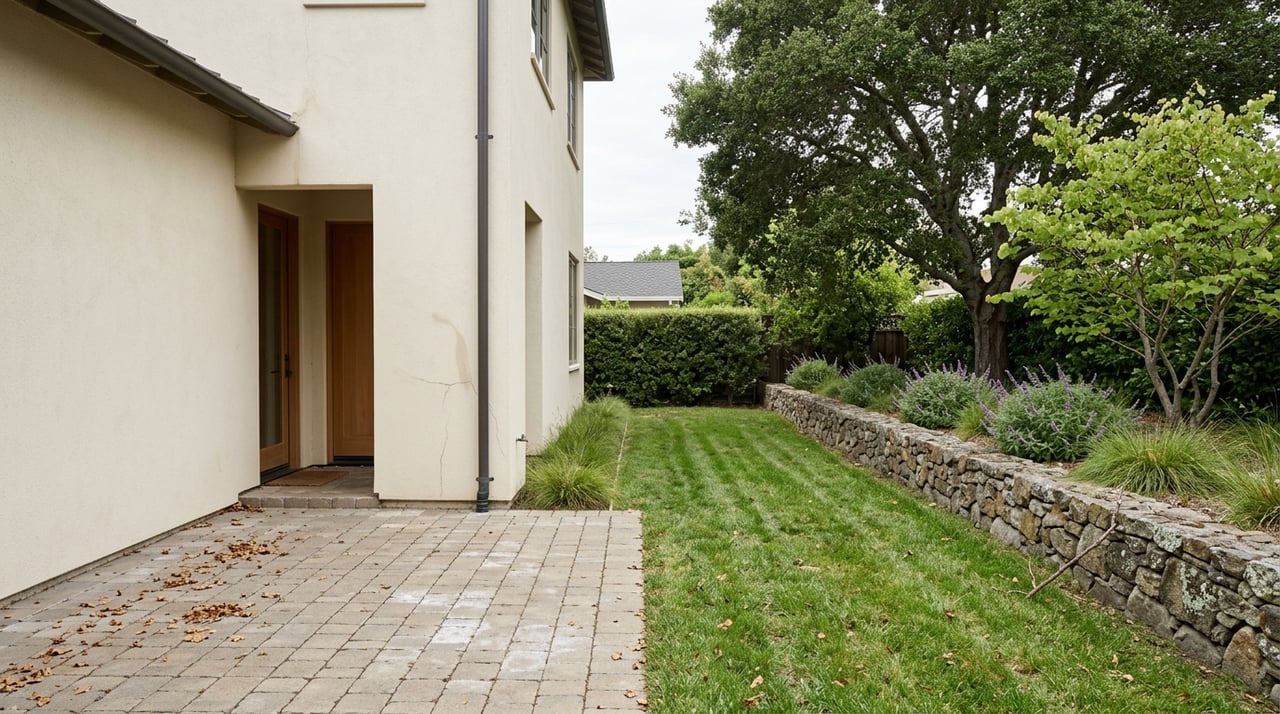
In Petaluma, the exterior is often the highest-leverage area to address first. It shapes the first impression, affects curb appeal, and can also raise questions about maintenance and wildfire readiness.
CAL FIRE’s home-hardening guidance highlights practical areas to review, including gutters, vents, eaves, siding, windows, doors, decks, and fences. That means cleaning gutters, clearing debris, sealing gaps, and reducing combustible material near the home can do double duty: improving appearance while also supporting safer presentation.
Petaluma’s local weed-abatement program adds another layer. The city notes that removing dead vegetation helps create defensible space, and higher-risk properties may need additional vegetation clearing. For homes in high or very high fire hazard severity zones, CAL FIRE says a compliant defensible space inspection needs documentation when the home is sold.
This is where many sellers get an immediate return on effort. A neat, intentional exterior tells buyers the home has been cared for before they even step inside.
If you are deciding where to spend your energy first indoors, start with the rooms buyers notice most. In NAR’s 2025 survey, buyers’ agents ranked the living room as the most important room to stage at 37%, followed by the primary bedroom at 34% and the kitchen at 23%. Sellers’ agents most often staged the living room, primary bedroom, and dining room.
These rooms shape the emotional first impression of the home. They are also likely to lead your photo set, so they should feel open, calm, and easy to understand.
Your living room should read as bright, spacious, and easy to use. Remove extra furniture, clear visual clutter, and simplify shelves and surfaces. If the room feels crowded, taking out one or two pieces often helps more than adding anything new.
The dining room does not need to feel formal. It just needs to show purpose. Keep the table clean, reduce oversized decor, and make sure traffic flow feels natural.
The primary bedroom should feel restful and roomy. Clear nightstands, minimize personal items, and keep bedding simple and fresh. If the closet is packed, thin it out so storage feels more generous.
Many sellers assume the kitchen must be remodeled before listing. Usually, that is not what the data supports. NAR’s survey points much more strongly to decluttering, cleaning, and curb appeal than to major renovation.
In most homes, the kitchen performs best when it looks clean, bright, and well-maintained. The same goes for bathrooms. Buyers tend to respond to spaces that feel cared for and functional, not overloaded with stuff.
The goal is not to create a showroom. It is to help buyers see a home that feels move-in ready and easy to maintain.
Secondary bedrooms matter, but they do not need elaborate staging. NAR found guest bedrooms were the least important room to stage for buyers, which suggests a simpler strategy works well here.
Make these rooms feel flexible, clean, and easy to understand. If a room serves as both an office and storage space, choose one clear purpose for photos and showings. Mixed signals can make a home feel smaller or less functional than it really is.
A tidy guest room, nursery, or office helps buyers imagine how the home could work for their own needs.
These spaces do not need design flair, but they do need order. Buyers often look closely at utility areas because they reveal how the home functions day to day.
A garage packed wall-to-wall with boxes can make storage feel limited. A laundry area with clear surfaces and working light feels more usable. The message you want to send is simple: this home has enough space, and it has been cared for.
In Sonoma County and across the North Bay, outdoor living can be part of the lifestyle buyers are shopping for. Patios, decks, and backyards do not need to be elaborate, but they should feel usable and maintained.
NAR reported that outdoor and yard spaces were staged by 36% of sellers’ agents, and curb appeal remained one of the top seller recommendations. In Petaluma, that often means balancing presentation with weed-abatement and wildfire-related upkeep.
A clean outdoor space helps buyers picture everyday life in the home, whether that means morning coffee, weekend gatherings, or simply a lower-maintenance yard.
Usually, no. The strongest prep themes in the research are decluttering, cleaning, and curb appeal, not full renovation.
That does not mean you should ignore problems. If there is an obvious defect, visible damage, or a maintenance issue that could shake buyer confidence, it is worth addressing. But for many sellers, the best return comes from targeted repairs, strong presentation, and a launch plan that makes the home shine online from day one.
Concierge listing prep is less about decoration and more about project management. It reduces decision fatigue, helps you focus on the highest-impact rooms first, and makes sure your home is staged, photographed, and disclosure-ready before it hits the market.
That kind of planning matters in a place like Petaluma, where presentation, local conditions, and property-specific details can all shape how buyers respond. When the process is organized well, you can move from prep to market with more confidence and fewer last-minute surprises.
If you want a clear, local strategy for preparing your home for sale in Petaluma or nearby North Bay communities, Tim McKee offers concierge listing preparation, professional marketing, and thoughtful guidance from start to finish.
Stay up to date on the latest real estate trends.





From community events to your closing day, Tim McKee brings unmatched energy, care, and savvy to every interaction. Expect timely communication, strong advocacy, and results that align with your goals.