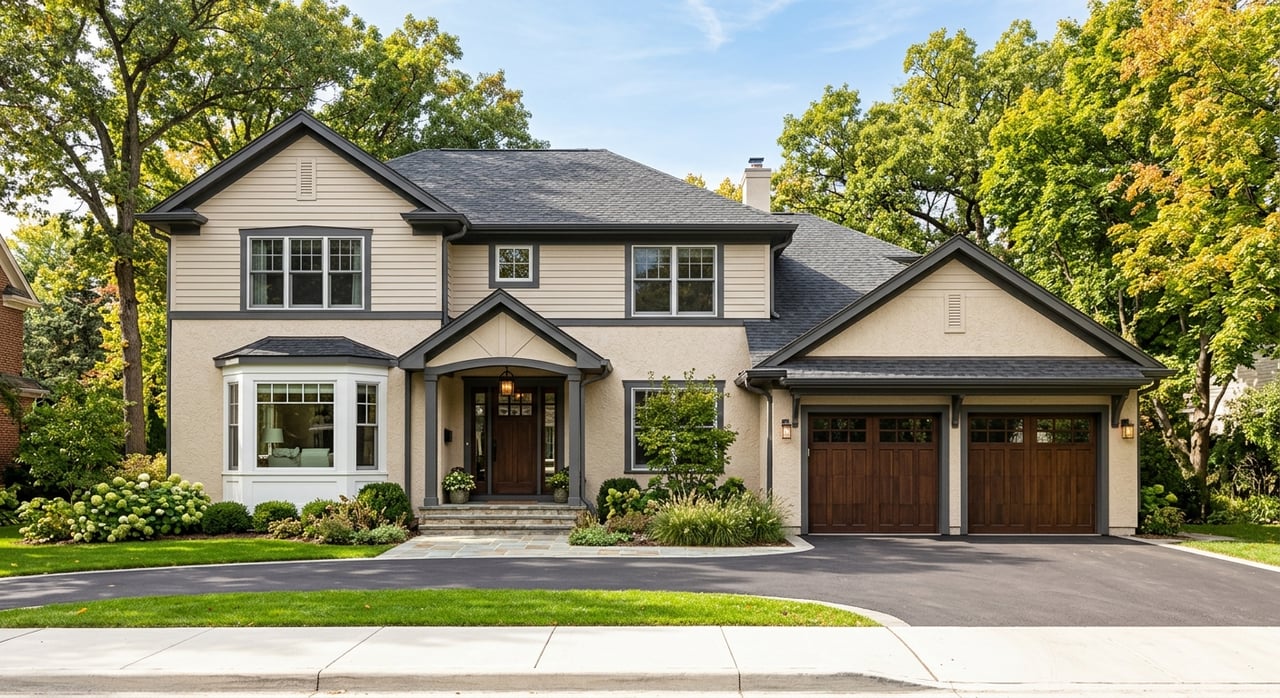
East vs West Santa Rosa Homes: Which Side Fits Best?
July 16, 2026
July 16, 2026
If you’re searching for a home in Santa Rosa, you’ve probably noticed that “east side” and “west side” come up fast. Those labels sound simple, but the home search can feel very different depending on which side of Highway 101 you’re exploring. Understanding that difference can help you focus your time, narrow your priorities, and shop with more confidence. Let’s dive in.
In Santa Rosa, Route 101 runs through the center of the city and acts as the main divider between east and west. State Route 12 also plays a big role in how the city is organized. City planning documents make it clear that these corridors shape how neighborhoods connect, grow, and function.
At the same time, the east-versus-west conversation is not a perfect split. Santa Rosa’s planning guidance points to new growth in both southwest and southeast areas, with an emphasis on connected streets, mixed uses, and neighborhood-scale design. So when you search by “east” or “west,” you’re really comparing two broader patterns, not two identical halves.
West Santa Rosa often feels more compact, layered, and street-oriented. In and around the older west-side areas, you’ll find a mix of modest bungalows, Queen Anne cottages, and larger older homes that were later joined by infill housing. That mix can give the area a more textured, established feel.
In places tied to the west side, including downtown-adjacent neighborhoods, Roseland, and southwest Santa Rosa, the housing mix is broad. Older single-family homes, apartments, and newer single-family and multifamily development can appear in the same planning area. For you as a buyer, that can mean more variety from block to block.
Lots on the west side may feel smaller, and the overall pattern can feel denser. If you like neighborhoods where homes sit closer together and the streetscape feels active, west Santa Rosa may stand out early in your search.
You may notice a few things right away when touring west Santa Rosa:
That does not mean every west-side neighborhood feels the same. It does mean the overall search often leans toward convenience, texture, and variety.
East Santa Rosa often reads differently from the moment you drive through it. The pattern tends to feel more detached-home oriented, with some areas shaped by hillsides, open-space edges, and larger sites. In practical terms, that can create a more open, land-oriented feeling.
City hillside guidance helps explain why parts of eastern Santa Rosa feel this way. Development in hillside areas is intended to be limited and site-sensitive, with efforts to minimize grading and preserve ridgelines. That creates a setting where topography matters more and the layout can feel less tight than many west-side areas.
Recent east-side proposals also reflect this pattern. One Rincon Valley proposal includes 42 detached single-family homes on a 6-acre site, while a southeast Santa Rosa proposal spans 69 acres with open-space preservation, a gently sloping ridgeline, and new streets and utilities. When you search east Santa Rosa, you may find yourself thinking as much about setting as structure.
When touring east Santa Rosa, you may be drawn to:
For many buyers, east Santa Rosa feels less about being near the city center and more about being near outdoor space.
If you want your errands, meals out, and day-to-day stops to feel clustered together, west Santa Rosa often has the edge. The city describes Downtown Santa Rosa as the region’s retail, dining, entertainment, culture, service, financial, and government hub. That concentration can make daily routines feel more centralized.
Railroad Square adds another layer to that lifestyle. The city identifies it as a historic shopping district with antique shops, unique retail, dining, entertainment, hospitality, and nightlife. If you enjoy having multiple destinations close together, this part of the city can feel especially convenient.
Coddingtown is another major shopping district, and the Downtown Station Area planning work highlights Courthouse Square, Railroad Square, and transit hubs as core assets. In real home-search terms, west Santa Rosa can feel easier if you want a more connected urban pattern to your week.
East Santa Rosa often appeals to buyers who picture outdoor access as part of everyday life. Montgomery Village offers neighborhood-serving retail, including a Whole Foods Market and local restaurants. That means you can still have nearby conveniences while being oriented toward a more park-focused routine.
The recreation options on the east side are a major part of the draw. Howarth Park includes 138 acres with Lake Ralphine, trails, picnic areas, courts, and recreation spaces. Spring Lake Regional Park spans 320 acres with trails, a swimming lagoon, boating, fishing, picnic areas, and an environmental discovery center.
On the eastern edge of Santa Rosa, Annadel State Park adds an even more undeveloped outdoor setting with trails, oak woodlands, and volcanic hills. If your ideal weekend starts outside, east Santa Rosa may feel like a natural fit.
Mobility is one of the clearest differences between the two searches. Highway 101 is Santa Rosa’s main north-south spine, while State Route 12 branches east toward Napa Valley, Sacramento, and Interstate 80. Those routes shape how people move through the city every day.
Transit is densest around the west and downtown core. The Downtown Station Area includes both the SMART station and the Downtown Transit Mall, and CityBus runs ten buses per hour between the Transit Mall and the Downtown SMART station on weekdays. The Santa Rosa North SMART station is also a short walk from the Coddingtown Transit Hub.
On the east side, getting around often feels more car-based, or like a mix of driving and neighborhood transit stops. The city is also building a Highway 101 bicycle and pedestrian overcrossing to close a major east-west gap, which is a strong sign that crossing 101 remains a meaningful mobility issue. If your routine depends on transit connections or walkability near major hubs, that difference matters.
The east-versus-west decision is usually less about a label and more about which daily pattern fits you best. One side tends to support a more compact, transit-connected, downtown-oriented lifestyle. The other often leans toward open settings, detached homes, and easier access to parks and trails.
A helpful way to frame your search is to ask yourself what you want your normal Tuesday to feel like. Do you want older homes, compact lots, and easier access to downtown, Railroad Square, and transit nodes? Or do you want a more open setting with quick access to recreation and a detached-home feel?
This is the part that matters most. “East Santa Rosa” and “West Santa Rosa” are useful shortcuts, but they are still shortcuts. Both sides include a range of housing types, and both have seen infill or subdivision activity.
That means your best move is to evaluate the specific neighborhood, not just the side of town. Ask whether the area feels more compact and transit-oriented, or more open and recreation-oriented. That question usually gets you closer to the right fit than the map label alone.
When you’re comparing east and west Santa Rosa, try sorting your search around daily experience, not just price or bedroom count. That approach usually makes your options clearer faster.
Here are a few smart filters to use:
A clear search strategy can save you from touring homes that look right on paper but feel wrong in person. In a city like Santa Rosa, the feel of the area is often just as important as the home itself.
If you want help narrowing down which part of Santa Rosa fits your goals, Tim McKee offers local, concierge-level guidance to help you compare neighborhoods, tour with purpose, and move forward with confidence.
Stay up to date on the latest real estate trends.
From community events to your closing day, Tim McKee brings unmatched energy, care, and savvy to every interaction. Expect timely communication, strong advocacy, and results that align with your goals.