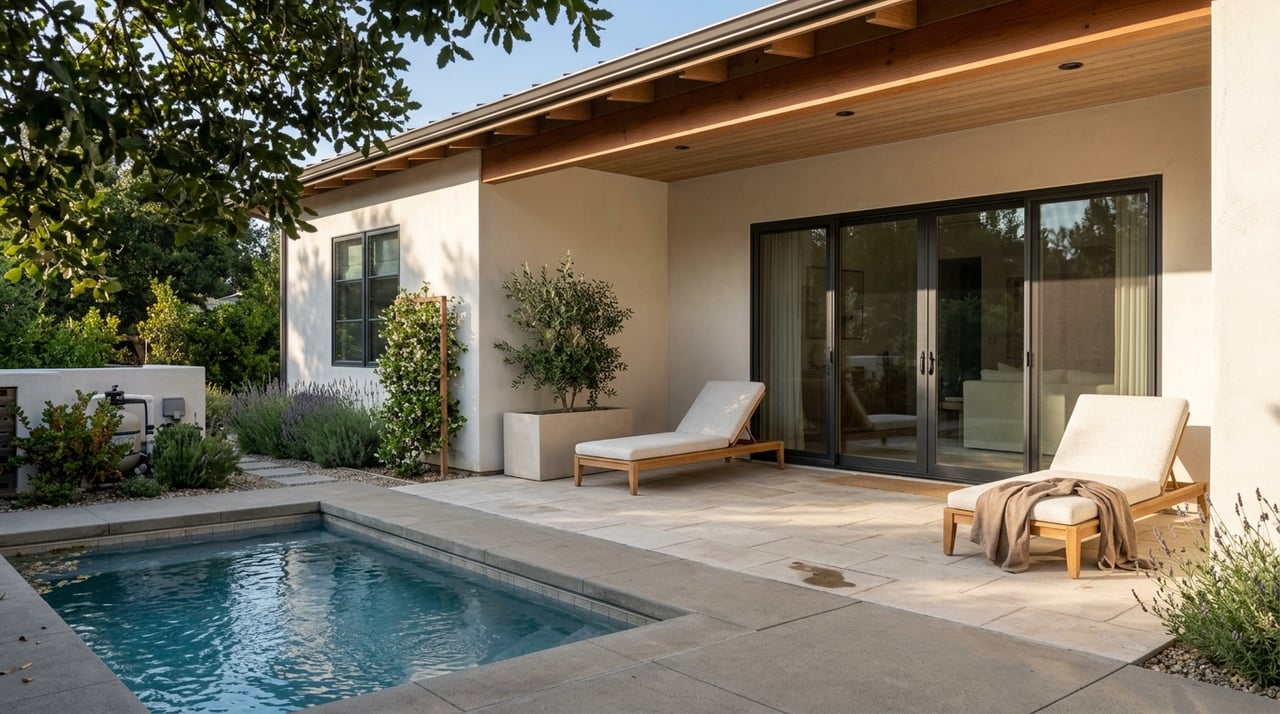
What to Know Before Buying a Second Home in Sonoma
June 25, 2026
June 25, 2026
Thinking about a second home in Sonoma? It is easy to picture weekends near the Plaza, slower mornings in Wine Country, and a place that feels like your own escape. But before you fall in love with a listing, it helps to understand how financing, local rules, and ongoing costs can shape the decision. If you want to move from idea to keys with more clarity and fewer surprises, this guide will walk you through the essentials. Let’s dive in.
Before you look at homes, get clear on how you want to use the property. That one decision can affect financing, location, insurance, and whether future rental plans are realistic. In Sonoma, the difference between a true second home and a property you hope to rent out regularly matters more than many buyers expect.
For conventional second-home financing, lender standards are narrower than many buyers assume. Fannie Mae says a second home must be a one-unit property, suitable for year-round occupancy, occupied by you for part of the year, under your exclusive control, and not a rental property, timeshare, or subject to a management agreement that controls occupancy. If your plan includes frequent rental use or giving a management company control over occupancy, the property may not qualify as a second home for financing purposes.
That is why your first question should be simple: Will this be mostly for your own use, or are you counting on income? If the answer is mixed, it is smart to sort that out before you tour too many homes. It can save time and help you focus on properties that actually fit your goals.
In Sonoma, preparation matters. Realtor.com’s May 2026 city snapshot shows a median listing price of $1,197,500, median days on market of 44, and a seller’s-market designation. Even if Sonoma County feels more balanced overall, the City of Sonoma can move differently.
Getting preapproved early helps you understand your real price range and gives you a stronger position when the right property comes up. Freddie Mac’s current maximum loan-to-value for a second-home mortgage is 90%, which means some conforming second-home loans may require at least 10% down. A solid preapproval can also help you move quickly in a market where hesitation can cost you the home you want.
A second home budget should go well beyond principal and interest. In California, property is generally reassessed to current fair market value after a change in ownership. The California Board of Equalization also notes that the supplemental roll can create additional prorated tax bills after closing.
Annual property tax bills may also include special assessments, special taxes, direct levies, and Mello-Roos bonds. On top of that, the homeowners’ exemption usually applies to a principal place of residence, so it generally does not apply to a second home. If you are comparing Sonoma to other markets, this is one of the biggest budgeting details to get right early.
When you build your budget, include:
In Sonoma city, utility costs deserve attention too. The City of Sonoma adopted higher water rates effective December 1, 2023, and new residential water service requires a $150 deposit. Trash service is provided through Sonoma Garbage Collectors under rate schedules that can change over time.
Wildfire exposure is a major part of second-home ownership planning in Sonoma County. CAL FIRE’s Fire Hazard Severity Zone maps classify land as moderate, high, or very high hazard, and Sonoma County includes all three categories. That does not mean every property carries the same level of risk, but it does mean wildfire due diligence should be part of your search from day one.
Insurance availability and cost can be affected by the property’s location, defensible space, and overall condition. The California Department of Insurance recommends defensible space and home hardening, and notes that the FAIR Plan is a last-resort option when standard coverage is unavailable. For buyers, this makes early insurance conversations just as important as the mortgage preapproval.
Not every Sonoma second home serves the same lifestyle. Some buyers want easy access to dining, events, and a walkable downtown base. Others want a quieter retreat with more privacy and closer access to nature.
If you want a lock-and-leave property with easy access to everyday amenities, the city core may be the right fit. City materials describe Sonoma as a visitor destination, and the Sonoma Plaza is presented as the historic center with parks, events, and gathering space. For many second-home buyers, that creates an appealing mix of convenience and atmosphere.
This part of Sonoma can work well if you picture short weekend trips, less exterior upkeep, and the ability to enjoy town without getting in the car for every outing. It is also helpful to know that market pricing can vary inside the city itself. Realtor.com breaks Sonoma into subareas such as Browns Valley, Vineyard Estates, Pueblo Park, Westwood, and Linda Vista, which can help you compare a more walkable in-town option with quieter residential pockets.
If your goal is more of a Wine Country getaway, Sonoma Valley offers a different feel. Sonoma County Tourism highlights Glen Ellen as a small village with wine, dining, and trail access. Kenwood is described as a base for wine lovers and nature enthusiasts, while Boyes Hot Springs is known as a wellness and hot-springs destination.
Tourism materials also group Agua Caliente, Boyes Hot Springs, El Verano, and Fetters Hot Springs as The Springs. For some buyers, these areas offer the quieter, retreat-style experience they want from a second home. The right fit depends on whether you value walkability, privacy, access to trails, or a more relaxed pace between visits.
When you find the right home, strategy matters. Sonoma city is not just a casual weekend market where every listing sits for months. With a seller’s-market designation and a median of 44 days on market as of May 2026, being organized can make a real difference.
A strong offer starts with being fully preapproved and clear on your terms. It also means doing the right local homework before you commit. In Sonoma, one of the most important due diligence questions is whether the property is inside the City of Sonoma or in unincorporated Sonoma County.
Before you write an offer, ask:
That city-versus-county distinction matters because the rules for rental use, permits, and enforcement can differ sharply. A home’s exact address can change what is possible down the road.
If you think you may want to rent the home at some point, do not assume city and county rules are interchangeable. In fact, they are very different.
In the City of Sonoma, new vacation rentals are prohibited. Existing licensed vacation rentals may continue under updated operating standards. City rules also prohibit short-term rental use of ADUs, require a property manager contact, and impose occupancy and noise limits.
The city’s overnight stay taxes also matter if you are evaluating future rental economics. The City of Sonoma’s transient occupancy tax is 13%, and a 2% Tourism Improvement District assessment is added to overnight stays within city limits. If your second-home plan depends on short-term rental flexibility, these details need to be reviewed before you buy, not after.
In unincorporated Sonoma County, the framework is separate from the city. Permit Sonoma says vacation rentals in the unincorporated county require a certified property manager, a Transient Vacation Rental permit, a Transient Occupancy Tax number, and a Vacation Rental License. County materials also describe some zone-specific caps and exclusions.
County rules also say ADUs may not be used as vacation rentals or hosted rentals. Current county transient occupancy tax materials describe the rate as 12%. For buyers, the takeaway is straightforward: if rental income is part of the long-term plan, verify the exact jurisdiction and the current rules tied to that address.
A second home should be enjoyable, not stressful. That is why the practical details of owning a part-time property matter so much. Utilities, service timing, and remote oversight can all shape how easy the home is to use.
In Sonoma city, online tools can help owners monitor water usage remotely, which is especially useful when you are not on site full time. The city also provides online water-service start and stop requests, typically processes new service within 24 hours once paperwork and the deposit are in place, and does not start or stop service on weekends or major holidays. If your first stay is planned around a weekend, it is smart to line up those utility steps in advance.
The best Sonoma second home is not just the prettiest one or the one with the best photos. It is the one that fits how you will actually use it, what you want to spend, and what local rules allow. When financing, taxes, insurance, and property use all line up, you can buy with much more confidence.
In a market like Sonoma, local detail matters. From Plaza-area convenience to retreat-style pockets in the valley, each option comes with a different rhythm of ownership. If you want a clear plan, strong guidance, and a local advocate who can help you weigh the tradeoffs, connect with Tim McKee for a free consultation.
Stay up to date on the latest real estate trends.
From community events to your closing day, Tim McKee brings unmatched energy, care, and savvy to every interaction. Expect timely communication, strong advocacy, and results that align with your goals.