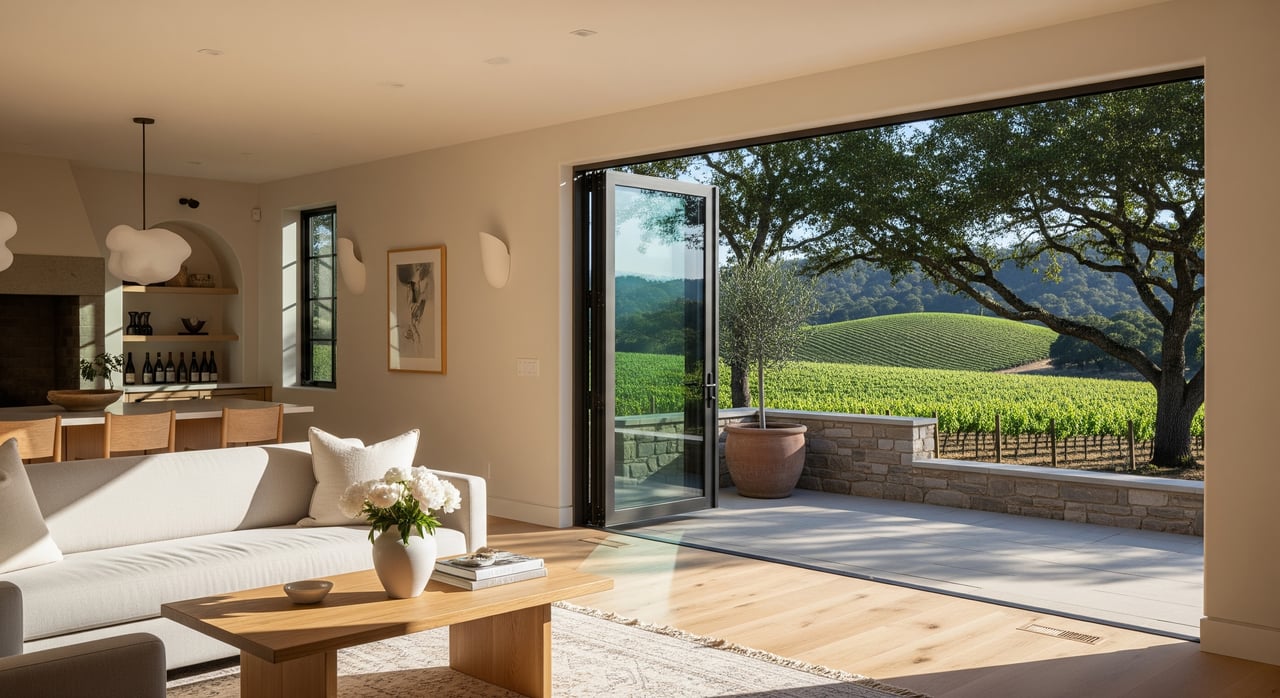
Concierge Prep to List Your Santa Rosa Home
December 4, 2025
December 4, 2025
Selling in Santa Rosa and want to skip the contractor juggling, last‑minute scrambling, and guesswork about what really matters before you list? You are not alone. Many Sonoma County sellers want a turn‑key plan that gets the home market‑ready, shows beautifully online, and launches on schedule. This guide breaks down what concierge listing prep includes in Santa Rosa, how timelines typically work, local rules to know, and what deliverables you should expect at handoff. Let’s dive in.
Concierge listing prep is a coordinated, end‑to‑end service that manages your pre‑listing plan, contractors, staging, marketing assets, and launch. You get one point of contact and a written plan so every step stays on track.
Your process starts with an in‑home walk‑through and a high‑level condition assessment. You get a prioritized scope of work, a staging strategy, a photo and media plan, and guidance on how to position the home for the likely buyer profile. You also receive a written timeline, itemized estimate, and an authorization to proceed so the work can start quickly.
What you get:
You do not have to chase bids or line up trades. Project management covers bid solicitation, contractor vetting, scheduling, and on‑site oversight. If permits are needed, the plan will outline requirements and timelines.
What you get:
Most homes benefit from targeted fixes and a cosmetic refresh. Typical items include safety and system checks, patching and painting, lighting updates, cabinet hardware swaps, and minor flooring touchups. A professional deep clean pulls it all together before staging and photos.
What you get:
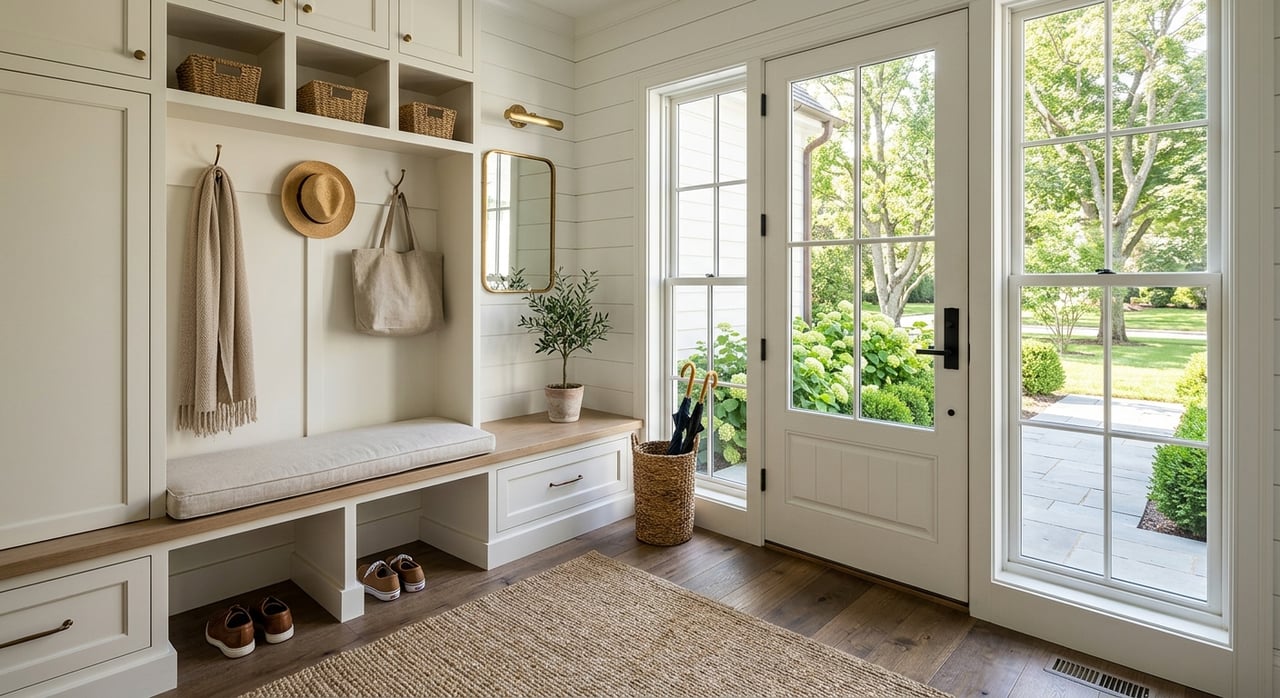
Staging can be furniture rental for vacant properties or a re‑style of what you already own. The focus is to highlight the best features and improve curb appeal. Final styling happens right before media day.
What you get:
Your media should be consistent and high quality. Expect still photography, measured floor plans, and a 3D virtual tour. For acreage or scenic views, drone and twilight photography can add impact. If you want to preview the technology, see how 3D tours are commonly produced with resources from Matterport’s real estate overview.
What you get:
Buyers need crisp, accurate information. Your team writes the MLS description, highlights key features and neighborhood context, and compiles the disclosure packet. The listing is formatted for MLS and set up to syndicate to major real estate portals.
What you get:
Once the home is photo‑ready, your listing goes live with an orchestrated push. This may include social ads, email to agent networks, and scheduling for broker and public open houses.
What you get:
For a seamless experience, showing coordination can be included as an extension of concierge prep. You get appointment logistics, a showing log, and feedback summaries so you can adjust quickly if needed.
What you get:
Santa Rosa and greater Sonoma County have unique considerations that shape your prep plan. Addressing these early helps you launch on time with fewer surprises in escrow.
Buyers are attentive to wildfire risk and insurance availability. If you have completed fire‑hardening work, gather receipts and warranties. You can confirm a property’s designation using Cal Fire’s Fire Hazard Severity Zone maps and review local defensible space guidance through Sonoma County Fire and Emergency Services. For consumer questions about insurability and policy options, consult the California Department of Insurance.
What to do now:
If prior work might have needed permits, identify it early. The City’s requirements and timelines could affect your schedule. Start with the City of Santa Rosa Building and Code Compliance page for permit information. Your disclosure packet should include the California Transfer Disclosure Statement and the Natural Hazard Disclosure, which will cover fire, flood, and seismic zones.
What to do now:
Parts of Sonoma County use onsite wastewater systems or private wells. If your property is on septic or has a well, plan for pumping or inspection reports and water testing as needed. The Sonoma County Permit and Resource Management Department is a good reference for onsite wastewater and permitting details.
What to do now:
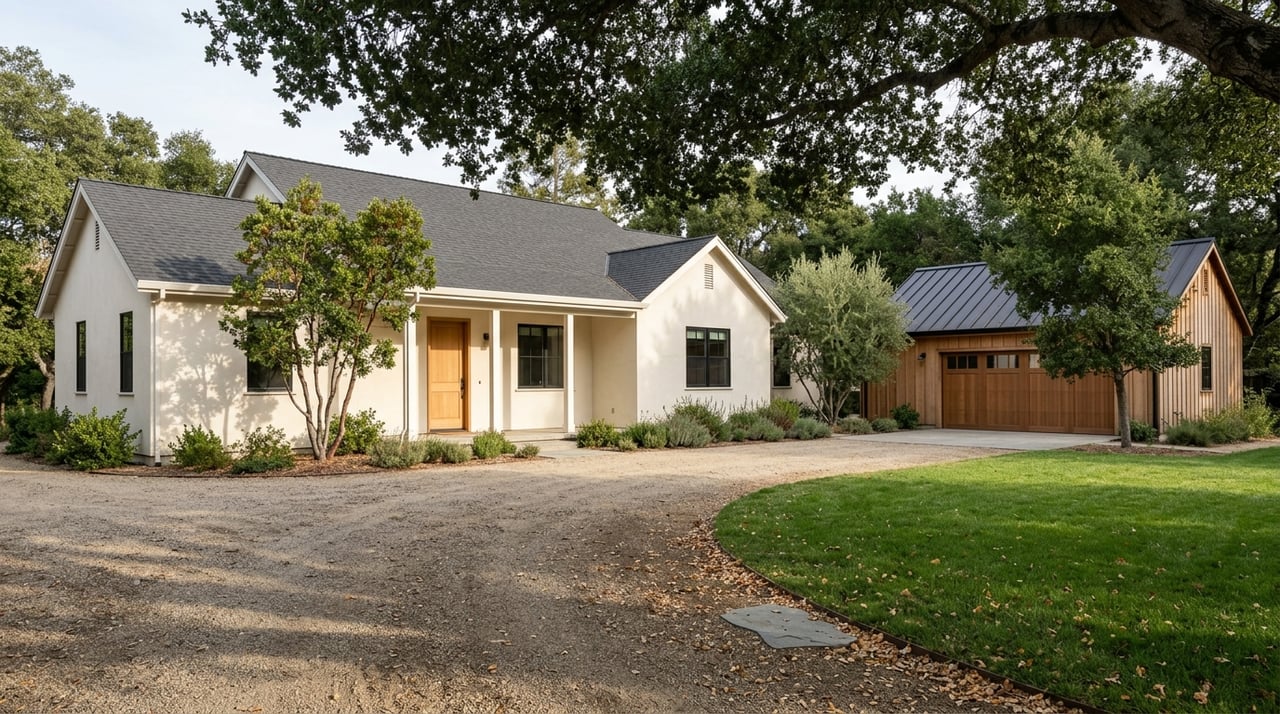
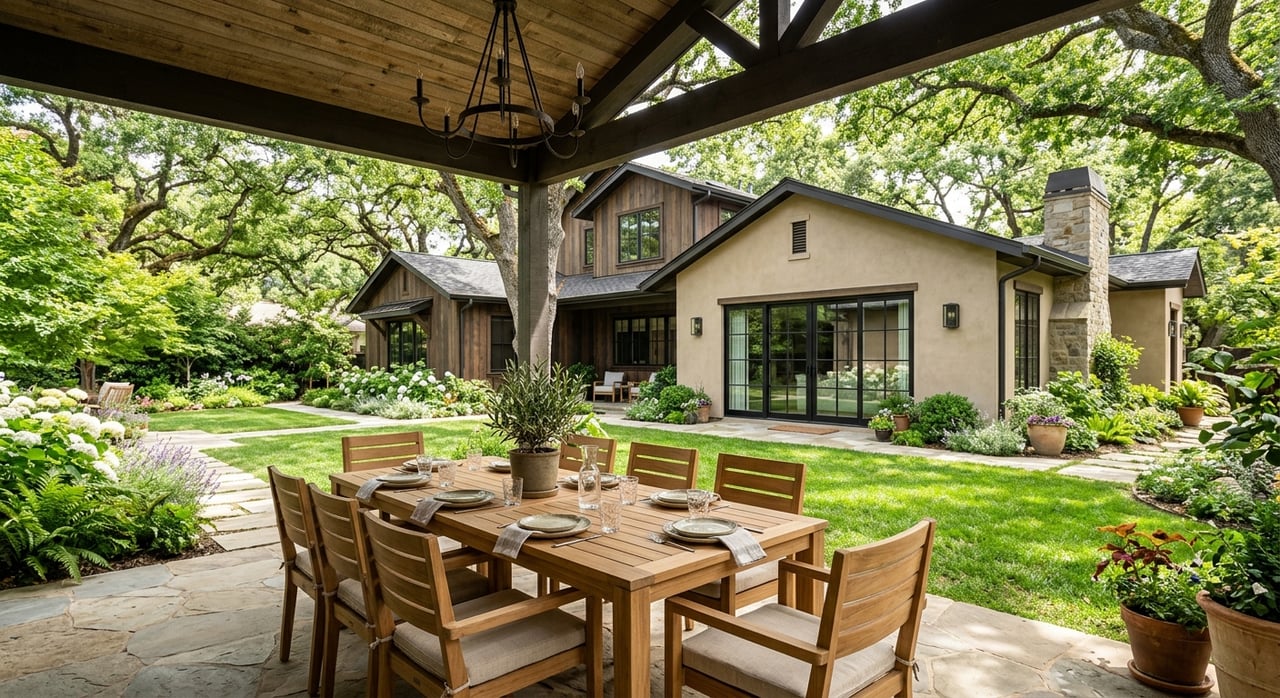
Sonoma County spans in‑town bungalows, mid‑century homes, suburban subdivisions, and larger lots with strong indoor‑outdoor appeal. Staging and photography should reflect the property type. If your home is in an HOA, confirm rules for signage, open house access, and any common‑area staging before you set dates.
Your timeline depends on scope, permitting, and vendor availability. Here is what most sellers can expect.
Best for: Well‑maintained homes that need decluttering, a polish, and professional media.
Best for: Homes that benefit from visible cosmetic upgrades and coordinated trades.
Best for: Older homes that need system updates, or large or vacant properties that rely on standout presentation. For scenic homes, add 1 to 2 days for drone and twilight photography.
Total cost depends on scope, labor, staging inventory, and media needs. In Sonoma County, quotes typically reflect broader Bay Area pricing. In the market, concierge services are commonly billed using:
Ask for a written estimate and a clear payment schedule before work begins.
Typical budget categories:
Local experience matters. Favor vendors who know Sonoma County property types, wildfire mitigation norms, and local permitting.
Questions to ask:
A few issues can delay escrow if not addressed up front. Build them into your prep plan and disclosure packet.
A strong concierge program leaves you with organized files and clear proof of work. Ask for these items before you go live.
Concierge prep helps you reduce delays, avoid fragmented vendor schedules, and present a polished home on day one. Professional staging and media support buyer engagement and help people visualize how they would live in the space, a benefit highlighted in resources from the National Association of Realtors. With a defined plan, you can time the launch to match local demand patterns and adjust based on early feedback.
Ready for a clear, efficient, high‑touch path to market? Connect with Tim McKee to map your concierge prep, review your budget, and schedule a market‑smart launch.
Stay up to date on the latest real estate trends.




From community events to your closing day, Tim McKee brings unmatched energy, care, and savvy to every interaction. Expect timely communication, strong advocacy, and results that align with your goals.