What to Review Before Buying Penngrove Country Properties
July 23, 2026
July 23, 2026
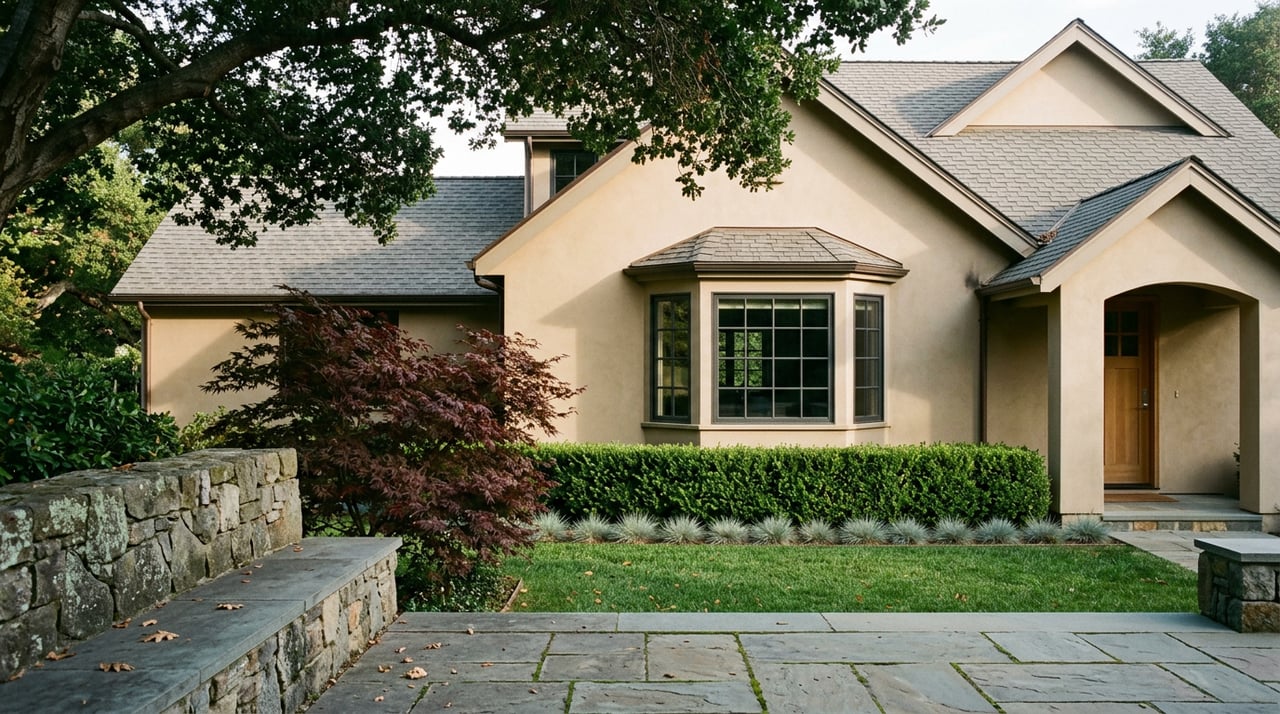
Wondering if a Penngrove country property is just a house with more land? In many cases, it is much more than that. If you are considering a home in Penngrove, understanding zoning, utilities, access, and county rules can help you avoid surprises and buy with confidence. Let’s dive in.
Penngrove is an unincorporated Sonoma County community, which means many property decisions are shaped by county land-use rules, area-plan policies, and county building and fire standards. That matters because a country property here may not work like a typical suburban home on a standard lot.
In practice, one Penngrove property might function like a 1-acre homesite, while another may be a 2-acre rural residential parcel or a much larger agricultural parcel. The exact use and flexibility depend on the parcel’s zoning, density, and any combining districts or overlays, not just the address or neighborhood name.
Sonoma County’s Rural Residential district is intended to preserve rural character and low-density development. That helps explain why Penngrove can feel open and spacious, but it also means buyers need to look closely at what is and is not allowed on a given parcel.
If you are shopping for country property in Penngrove, the first question is not simply how many acres you are getting. The better question is what those acres allow you to do.
The Penngrove Area Plan shows that some central Penngrove land east of Bannon Lane is designated Rural Residential with a 1-acre minimum. Other nearby parcels are shown with RR/B6 2.5-acre density, and changes to denser use can be tied to conditions like sewer annexation, flood mitigation, or street upgrades that meet county standards.
County combining-district rules also show that rural Sonoma County can use B6 densities of 2.5, 5, 10, 20, 40, and even 160 acres per dwelling unit in different places. In simple terms, two properties that look similar online may have very different development potential.
That is why the zoning map matters as much as the listing photos. Before you get attached to a property, you will want to confirm the exact zoning, parcel density, and any area-plan policies tied to that APN.
One of the clearest examples of the difference between in-town and country property is how Sonoma County handles accessory dwelling units, or ADUs. On parcels with public water and sewer within urban service areas, lots can be as small as 5,000 square feet for an ADU.
On well-and-septic parcels, the standard is much different. Sonoma County rules generally require 2 acres for an ADU on a well-and-septic property, along with adequate septic capacity and water yield.
That distinction says a lot about country-property ownership in Penngrove. A larger lot may offer space and privacy, but it can also come with more infrastructure questions and more county review.
For many Penngrove buyers, water and wastewater are the heart of due diligence. Not every property is served the same way, and utility service can be very specific to the parcel.
Sonoma Water operates the Penngrove Sanitation Zone, a 475-acre collection system that routes sewage to Petaluma for treatment. At the same time, Penngrove is not uniformly sewer-served, and many homes rely on on-site septic systems.
Some properties may also have mixed utility situations. County review materials have described Penngrove projects within the Penngrove Water Company service area where individual lots still relied on onsite wells and septic systems.
That means you should not stop at asking whether a home has a well or septic. You will want to know whether the systems are documented, permitted, and adequate for how you plan to use the property.
County rules also require Permit Sonoma approval for construction or alterations tied to on-site wastewater or water systems. If you are planning future improvements, these details matter early, not later.
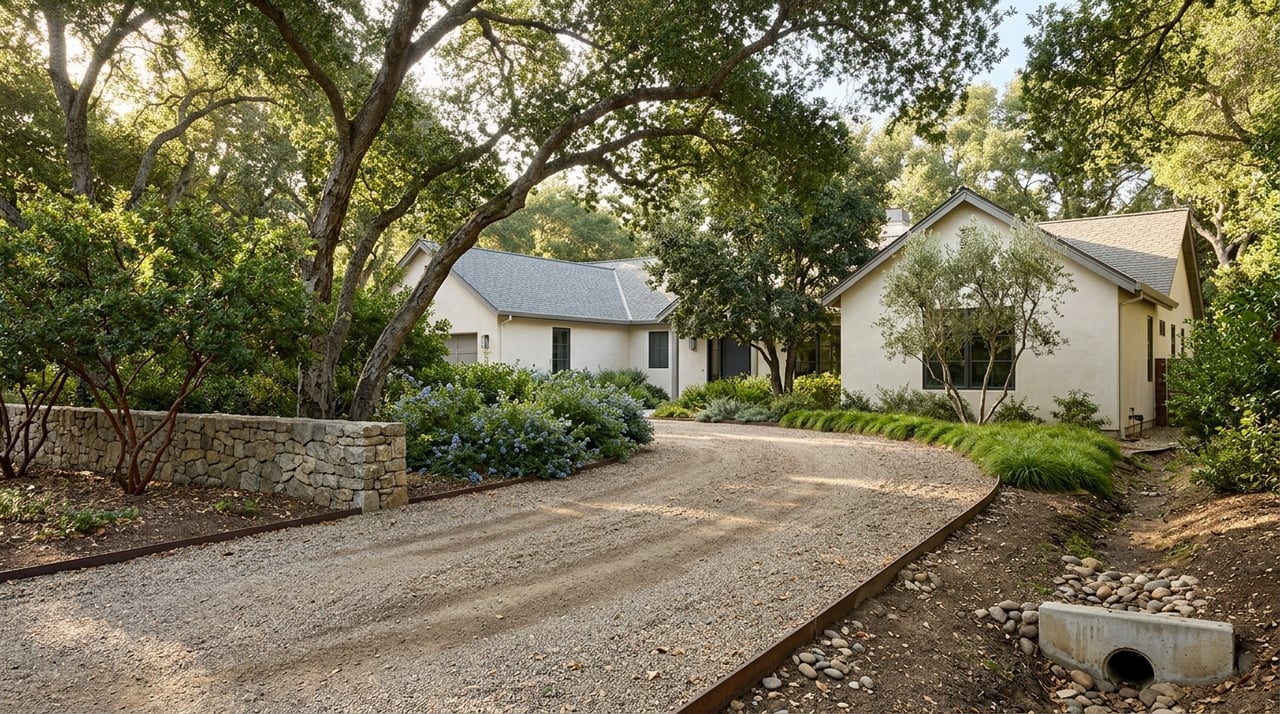
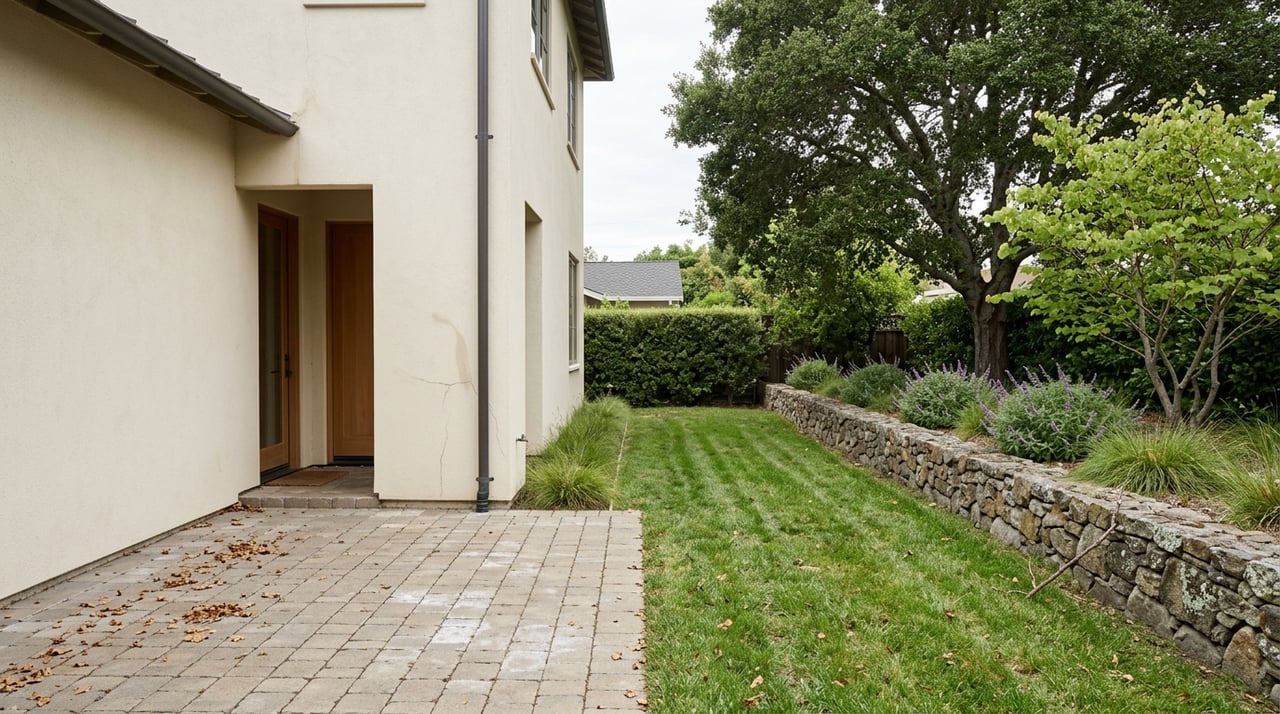
Access is another major difference between a country property and a typical suburban purchase. A long driveway, private lane, or access easement may look simple at first glance, but it can affect safety, permits, maintenance, and future improvements.
Sonoma County’s fire-safe standards regulate road and driveway surfaces, grades, curves, intersections, dead-end roads, driveways, and gate entrances. The subdivision code also says access corridors on lots under 1.5 acres must be paved to specific widths depending on whether they serve one lot or two.
County guidance also says an encroachment permit is required for work in the county right-of-way, including driveway aprons and utility work. So if you are thinking about changing access or upgrading a driveway, permit requirements may come into play.
These questions are especially important if you are comparing multiple rural properties. Access can shape both your day-to-day convenience and your long-term ownership costs.
Rural acreage often brings more review for hazards and environmental constraints. In Penngrove, that means fire hazard maps, defensible space rules, and parcel-specific overlays deserve real attention.
CAL FIRE updated Sonoma County fire-hazard severity maps in 2025, and Sonoma County’s GIS fire-hazard map is based on the February 24, 2025 map set. The Board of Forestry says owners in State Responsibility Areas or very high fire hazard zones must maintain defensible space, and Sonoma County’s General Plan Public Safety Element says defensible space extends 100 feet from structures.
The county also requires new construction in State Responsibility Areas to follow standards related to fire-equipment access, signage, private water, and fuel breaks. For buyers, that means a beautiful wooded setting may also come with ongoing maintenance and design considerations.
Environmental limits can matter too. Penngrove land-use cases have included restrictions within building envelopes to protect biological, scenic, and wetland resources. In other words, a large parcel does not automatically mean unlimited flexibility for additions, grading, tree work, or rebuilding.
When you buy a Penngrove country property, you are often buying three things at once: the home, the land, and the infrastructure that supports it. That is a different mindset from buying a more standard in-town property.
Bedroom count, finishes, and views still matter, of course. But in Penngrove, acreage, water, septic, access, fire standards, and overlays can matter just as much.
That is why careful review up front can save time, money, and stress later. The goal is not to make the process feel complicated. It is to make sure the property fits the way you want to live.
If you are preparing to make an offer, this checklist can help you focus on the right details:
Country properties can be rewarding, but they usually require a more detailed review than a typical suburban home. Having a local agent who understands how Penngrove properties differ can help you ask better questions before you commit.
Tim McKee helps buyers navigate Sonoma County with local insight, responsive service, and a practical eye for the details that shape value and livability. If you are considering a move in Penngrove or want help evaluating a specific property, Tim McKee is here to help.
Stay up to date on the latest real estate trends.
From community events to your closing day, Tim McKee brings unmatched energy, care, and savvy to every interaction. Expect timely communication, strong advocacy, and results that align with your goals.